
- Dogs whine to communicate basic needs like hunger, thirst, bathroom breaks and requests for attention.
- Whining can reflect different emotions. Excitement, anxiety, fear, stress and frustration can all trigger whining in dogs.
- Context and body language can provide important clues. Pay attention to when your dog whines; what's happening around her; and if there are other behaviors like pacing, tail wagging or trembling.
Dogs communicate in lots of different ways, from tail wagging to barks and groans. But what should you do when your dog starts whining? Is he hungry, anxious, excited or trying to tell you something is wrong?
While occasional whining is a normal part of canine communication, understanding what your dog is trying to say can help you choose how to respond.
So why do dogs whine? Dogs whine for a variety of reasons.
Whining is one way that dogs express their needs, emotions and discomfort.
Below we’ll explore eight common reasons dogs whine and how to recognize what your pup might be communicating, as well as when whining could signal something more serious.
What does it mean when a dog whines?
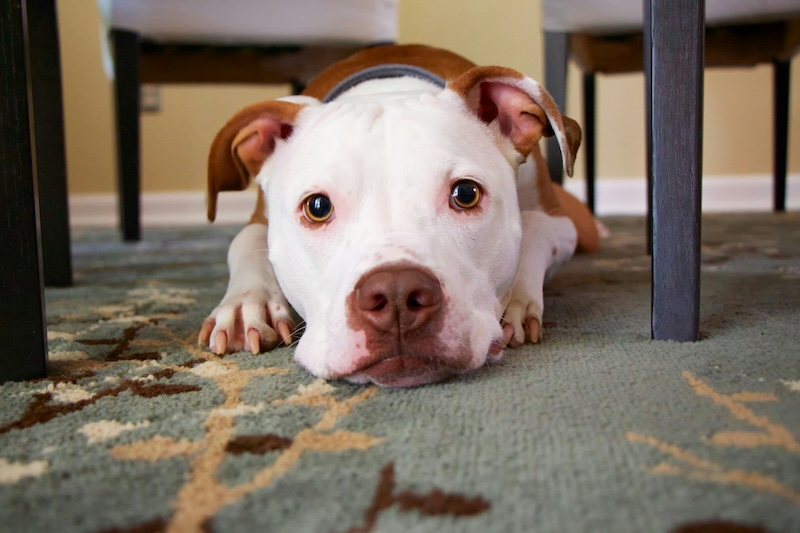
Whining is a natural form of canine vocalization that allows dogs to communicate. Unlike barking, which can have different meanings, whining is often a way to express a need, emotional state or physical discomfort.
A dog who whines while watching you prepare dinner may be hoping for a bite, while one who whimpers during a thunderstorm may be frightened.
Body language can help give you more clues. A whining dog with relaxed posture may be excited. A dog whining accompanied by flattened ears, a tucked tail or trembling can indicate fear or anxiety.
Knowing your dog’s typical behavior and recognizing his vocalizations makes it easier to identify what he’s trying to communicate.
8 reasons your dog might be whining
Dogs whine for lots of reasons, from everyday requests to more serious concerns. Here are eight common explanations for whining behavior.
1. Basic meeds
The simplest explanation is often the right one. Dogs tend to whine when they’re hungry, thirsty or need to go outside.
Your dog might whimper near her food bowl before mealtime or whine by the door when she needs a bathroom break. Some dogs have predictable vocal habits for their daily routines, making their requests easier to recognize.
If your dog starts whining, check her basic needs first. Make sure she has access to fresh water, appropriate meals and regular opportunities to relieve herself.
2. Attention-seeking
Dogs are social animals who seek companionship and interaction. When they want attention, they may whine to get you to engage.
Your dog might whimper out of boredom while you’re focused on something else. He may also nudge your hand, paw at you, steal your spot or bring you a favorite toy.
If whining typically gets him petting, playtime or other attention, your dog may learn to repeat the behavior. Providing regular exercise, mental stimulation and positive interaction can help reduce excessive attention-related whining.
3. Excitement
Not all whining signals something is wrong. Dogs also whine when they’re happy, enthusiastic or anticipating something enjoyable.
You might notice your dog whining when you first get home, reach for her leash or take her on a car ride. Excited whining often occurs alongside tail wagging, bouncing or playful movements.
If your dog’s excited whining becomes excessive, encourage calm behavior before rewarding her with attention or activities. Over time, rewarding quieter moments can help your dog learn to manage her excitement.
4. Fear or separation anxiety
Whining is also a common response to fear and anxiety. Dogs may vocalize in unfamiliar situations, at loud noises or under uncomfortable circumstances. Thunderstorms, fireworks, vet visits and unfamiliar environments can all trigger anxious whining.
Other signs can include pacing, following you around, trembling, panting, hiding or holding their ears back.
Some dogs also experience distress when left alone. They may whine, bark or pace during their owners’ absence.
If anxiety appears to be the cause of your dog’s whining, focus on reducing triggers. A veterinarian or canine behavior professional can help you develop a management plan for separation anxiety.
5. Stress or overstimulation
Busy gatherings, unfamiliar visitors or excessive activity may lead to stress or overstimulation. A dog experiencing sensory overload might whine while pacing, panting, yawning or trying to hide.
For example, a dog at a family gathering may initially seem excited but eventually become overwhelmed by the noise and attention.
Providing a quiet, comfortable space where your dog can retreat can help him decompress. Pay attention to early signs of stress, and allow breaks before his discomfort gets worse.
6. Frustration
Dogs sometimes whine when they want something but can’t get it, like a desired object, person or activity. Your dog might whine when her favorite toy rolls under the couch or when she sees another dog she wants to play with but is restrained by a leash.
Frustration whining can be accompanied by pulling, pawing, staring or pacing.
Teaching your dog patience through positive reinforcement and rewarding calm behavior can help her develop better frustration behavior.
7. Self-soothing
Some dogs vocalize in response to emotional discomfort. A dog adjusting to a new sleeping environment might whimper while exploring before eventually relaxing. Licking is also a common self-soothing behavior for dogs.
Although this behavior may appear self-soothing, don’t assume that repetitive whining is harmless. Consider whether your dog is experiencing stress, anxiety or physical discomfort, especially if the behavior is new.
8. Pain or illness
Sometimes whining indicates physical discomfort, such as injuries, digestive problems, joint pain or other medical conditions. A dog experiencing pain may whimper when moving or being touched.
Other warning signs can include limping, restlessness, reduced appetite, lethargy or unusual changes in behavior.
Because dogs don’t always show obvious symptoms when they’re uncomfortable, even subtle changes in vocalization deserve attention. If your dog suddenly begins whining excessively or displays other signs of discomfort, contact your veterinarian.
Why is my dog whimpering for no reason?

If your dog seems to be whimpering for no reason, there’s usually a trigger that just isn’t obvious. Dogs can respond to environmental changes, minor frustrations, emotional discomfort or needs that their owners haven’t noticed.
Your dog may hear an unfamiliar sound, anticipate an activity or feel anxious about a change in routine. She may also be attempting to get your attention before displaying more obvious behaviors.
To narrow down the cause, notice when the whining occurs, and look for body language clues. Does your dog whine at the door, before meals or when left alone? Is she pacing, staring, trembling or behaving differently?
Unexplained whining shouldn’t necessarily be considered a behavioral issue. If the whining is sudden, persistent or worsening, schedule a vet checkup to rule out pain or illness.
Supporting your dog’s overall well-being

Vocalization is an important part of canine communication. Whether your dog is excited about a walk, asking for attention, feeling anxious or experiencing discomfort, paying attention to his behavior can help you respond to his needs.
Regular exercise, mental enrichment, predictable routines and a comfortable living environment all contribute to dogs’ physical and emotional health and reduce the need for whining.
Nutrition is also an important piece of the puzzle. A balanced, high-quality diet supports your dog’s overall comfort.
Access to fresh water and consistent feeding routines can also help prevent hunger- or thirst-related whining.
Keep in mind, the goal isn’t to eliminate all whining. It’s to understand what your dog is communicating so you can help him feel safe, comfortable and cared for.
Frequently asked questions
Is a dog's whimper different from whining?
Whimpering and whining generally describe the same type of high-pitched vocalization by dogs. Both can happen when dogs are excited, anxious, frustrated, seeking attention or uncomfortable. The terms are often used interchangeably.
Can whining be a sign of aging?
Yes. Older dogs may whine more often due to age-related changes, including joint discomfort, reduced hearing or vision, and canine cognitive dysfunction. Senior dogs might also vocalize more at night or appear confused in familiar surroundings. Increased whining with age shouldn't be dismissed, so consult your veterinarian if you notice changes in your senior dog's behavior.
Can a dog whine to say sorry?
Dogs don't apologize in the same way humans do. An apologetic whine is often a response to the owner's tone of voice, facial expressions or body language. A dog may whimper and lower her head when she senses tension or unhappiness. Seemingly apologetic behaviors are more likely attempts to respond to human emotions or a social situation than saying sorry.
- American Society for the Prevention of Cruelty to Animals (ASPCA). “Whining.” ASPCA. (opens in a new tab)
- Lindell, E., Weir, M., and Buzhardt, L. Signs Your Dog Is Stressed and How to Relieve It. VCA Animal Hospitals. March 24, 2025. (opens in a new tab)
- How to Reward Dogs With Positive Reinforcement Training. Humane World for Animals. (opens in a new tab)
- Cohen, A. Recognizing Pain in Dogs. Cornell University College of Veterinary Medicine, Richard P. Riney Canine Health Center. October 21, 2025. (opens in a new tab)
- Cohen, A. Cognitive Dysfunction Syndrome. Cornell University College of Veterinary Medicine, Richard P. Riney Canine Health Center. October 21, 2025. (opens in a new tab)
- Bräuer J, Eichentopf D, Gebele N, Jandke L, Mann V, Schulte K, Bender Y. Dogs distinguish authentic human emotions without being empathic. Anim Cogn. 2024 Sep 21;27(1):60. doi: 10.1007/s10071-024-01899-x. PMID: 39305398; PMCID: PMC11416375. (opens in a new tab)