- Dogs most often lick the floor because of food residue, interesting smells or simple curiosity, since they explore the world with their noses and mouths.
- Frequent or excessive licking can also be linked to boredom, stress, nausea, acid reflux or other digestive discomfort. Lip licking, excessive swallowing, vomiting, appetite changes or restlessness alongside the licking may point to an upset stomach.
- To help reduce floor licking, keep floors free of food residue, follow a consistent feeding schedule, and provide mental and physical enrichment. Calmly redirect your dog rather than reinforcing the behavior or punishing it.
- Contact your veterinarian if the licking is frequent or obsessive; starts suddenly; or comes with vomiting, diarrhea, appetite changes, signs of pain or eating non-food items.
Dogs have plenty of quirky habits, and licking the floor is one that can leave pet parents pondering. While licking up crumbs or investigating smells is perfectly normal, frequent or excessive floor licking may signal something more.
Leftover food, boredom and digestive discomfort are all possible reasons your dog might be licking the floor. Understanding what’s behind the behavior can help you determine whether it’s harmless curiosity or something that deserves attention.
Here’s what you should know about why dogs lick the floor, how to manage the behavior and when to contact your vet.
Why do dogs lick the floor?
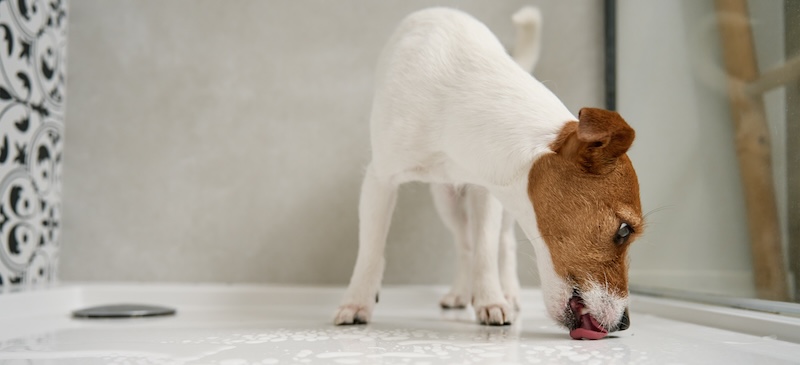
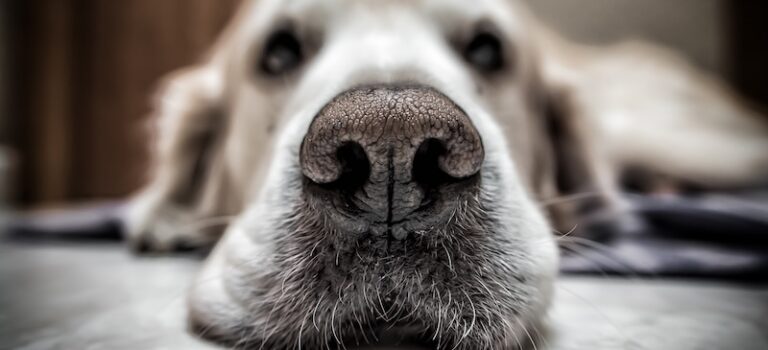
Dogs experience the world through their noses and mouths. Licking helps them investigate objects, explore scents and discover tastes that humans might not even notice.
Occasionally licking the kitchen floor isn’t anything to worry about. Persistent licking, however, particularly when there’s no obvious food or other attraction, might have other explanations.
Some of the most common reasons dogs lick the floor include:
- Food residue and smells: Even freshly cleaned floors can contain tiny food particles or scents that attract your dog’s attention. Areas around the kitchen counter, dining table and food bowls are especially tempting. Your dog’s powerful sense of smell can detect traces of food that you might not notice.
- Waste residue: Dogs are naturally curious about bodily waste and the scents it leaves behind. If another pet has had an accident indoors, your dog may lick the area to investigate the smell, even after the mess has been cleaned up.
- Hunger or food-seeking behavior: A hungry dog may search the floor for crumbs or other leftovers. Some dogs develop a habit of checking areas they’ve discovered tasty scraps in before.
- Nausea and upset stomach: Dogs experiencing nausea may start to lick floors, carpets, furniture or other surfaces. This behavior can sometimes occur alongside excessive swallowing, drooling or vomiting.
- Acid reflux and digestive discomfort: Irritation in the digestive tract may cause repetitive licking or swallowing in dogs. Acid reflux, which occurs when stomach contents flow backward into the esophagus, is one possible source of discomfort.
- Boredom and lack of mental stimulation: Dogs need opportunities to exercise, explore and engage their minds. Without enough enrichment, some dogs develop repetitive habits, displacement behaviors or attention-seeking behaviors. This can be especially noticeable after long periods of inactivity or days spent indoors.
- Stress, anxiety or compulsive behavior: Licking can sometimes become a self-soothing activity when dogs feel stressed or unsettled. Changes in routine or unfamiliar environments may contribute to anxiety nausea, which can lead to licking. When it becomes persistent or difficult to interrupt, licking paws, floors or other objects may be becoming a compulsive behavior.
- Underlying digestive conditions: Certain gastrointestinal (GI) issues, including inflammatory conditions like pancreatitis or other GI issues, may be associated with excessive licking of surfaces. Vets have identified gastrointestinal abnormalities in some dogs displaying excessive licking.
Because so many factors can contribute to floor licking, the circumstances surrounding the behavior are often just as important as the licking itself.
Signs Your Dog’s Floor Licking May Be Related To An Upset Stomach
Digestive discomfort or upset stomach can be an explanation for excessive floor licking. When dogs have nausea or other gastrointestinal problems, some may start licking floors and nearby surfaces repeatedly.
Although licking alone doesn’t necessarily indicate a stomach problem, several accompanying symptoms may help you recognize when digestive discomfort is present.
- Lip licking and excessive swallowing: Repeated lip smacking, swallowing or drooling may indicate nausea, especially when these behaviors occur alongside floor licking.
- Vomiting or retching: A dog that licks the floor before vomiting may be experiencing nausea. Repeated retching, particularly without producing vomit, can indicate a serious emergency.
- Changes in appetite: Some dogs experiencing digestive discomfort become reluctant to eat, while others may appear interested in food but hesitate once it’s offered.
- Eating grass or unusual objects: Dogs may seek out grass or attempt to lick or swallow non-food materials when they’re feeling unwell. However, grass eating isn’t always a sign of nausea.
- Diarrhea or digestive changes: Loose stools, increased gas, unusual bowel movements or changes in bathroom habits may suggest that floor licking is occurring alongside a gastrointestinal problem.
- Restlessness or discomfort: Pacing, changing positions, stretching unusually or having difficulty settling down can sometimes be a sign of abdominal discomfort.
Pay attention when these symptoms occur. For example, does your dog begin licking the floor immediately after eating, first thing in the morning or during episodes of restlessness? Recognizing patterns can help you better understand your dog’s behavior and provide useful information if a veterinary visit is needed.
How To Stop A Dog From Licking The Floor
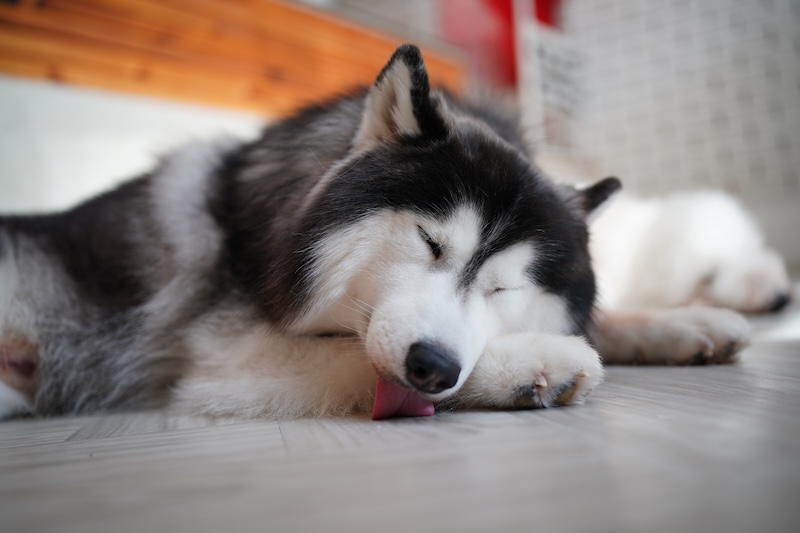
If your dog frequently licks the floor, the best approach is to consider what might be triggering the behavior rather than simply trying to stop it.
Keep Floors Clean and Free of Food Residue
Regularly clean areas where food is prepared, served or eaten. Pay attention to spaces beneath dining tables, around food bowls and below kitchen counters. Use pet-safe cleaning products, and keep your dog away from recently cleaned surfaces until they’re safe and dry.
Follow a Consistent Feeding Schedule
Predictable mealtimes can help provide structure to your dog’s day. Some dogs may search for food more frequently when hungry or when meals are inconsistent. Make sure your dog receives an appropriate amount of complete and balanced food based on his age, size, activity level and individual nutritional needs.
Provide Mental and Physical Enrichment
Daily walks, interactive toys, scent games and opportunities to explore can help keep your dog physically active and mentally engaged. Try incorporating puzzle toys, feeders or chew toys into your dog’s routine. These activities provide alternative outlets for natural exploratory behaviors and may reduce boredom-related licking.
Monitor for Digestive Symptoms
Pay attention to whether floor licking occurs alongside vomiting, appetite changes, excessive swallowing or other unusual symptoms. Consider keeping a record of when the licking happens, how long it lasts and what your dog was doing beforehand. Videos of the behavior can also be helpful during a veterinary appointment.
Avoid Reinforcing the Behavior
Some dogs lick the floor as an attention-seeking behavior, and reacting or offering treats may actually encourage the habit. Instead, calmly redirect your dog toward another activity. Avoid punishment, which can increase stress without addressing the cause.
Consult a Veterinarian if the Behavior Persists
If floor licking continues despite changes to your dog’s environment or routine, contact your veterinarian to help identify possible medical or behavioral causes.
When Should You Call a Veterinarian?
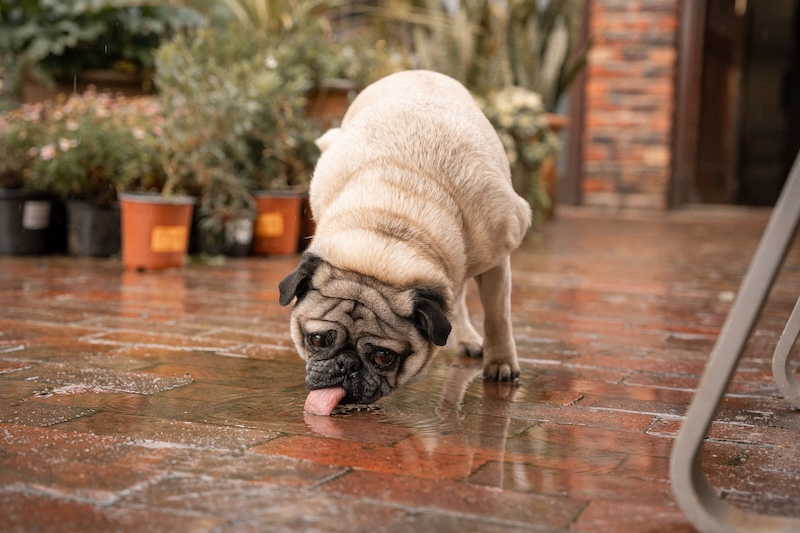
While an occasional lick of the floor is generally harmless, certain changes in your dog’s behavior or health warrant a vet’s attention.
Contact your veterinarian if you notice any of the following:
- Frequent or obsessive licking: Your dog repeatedly licks floors or other surfaces, seems unable to stop, or spends an unusual amount of time engaged in the behavior.
- Vomiting or diarrhea: Floor licking accompanied by repeated vomiting, persistent diarrhea or other digestive symptoms may indicate an underlying allergy or gastrointestinal problem.
- Changes in appetite: A sudden loss of interest in food, difficulty eating or a noticeable change in normal eating habits could indicate digestive issues and deserves attention.
- Signs of pain or discomfort: Whining, pacing, abdominal sensitivity, unusual posture or difficulty resting may suggest that your dog is physically uncomfortable.
- Eating non-food objects: Swallowing carpet fibers, fabric, plastic or other inappropriate materials can increase the risk of gastrointestinal obstruction.
- Sudden changes in behavior: If a dog that rarely licks surfaces suddenly begins doing so repeatedly without an obvious explanation, an underlying health issue may be responsible.
- Additional concerning symptoms: Lethargy, excessive drooling, unexplained weight loss or noticeable changes in drinking habits may indicate a broader health concern.
Seek emergency veterinary care if your dog experiences repeated unproductive retching, a swollen abdomen, severe pain, difficulty breathing or collapses.
Support Your Dog’s Health with Balanced Nutrition
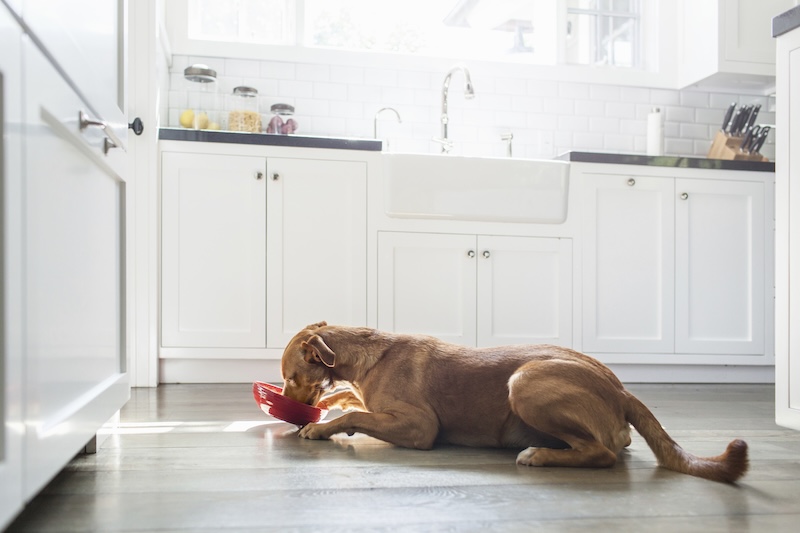
If you’ve been wondering, “Why is my dog licking the floor?” the answer may be as simple as an interesting smell or a few leftover crumbs. However, frequent licking can also be associated with boredom, stress, digestive discomfort or other underlying health concerns. Pay attention to when the behavior occurs, how often and whether your dog has any other symptoms.
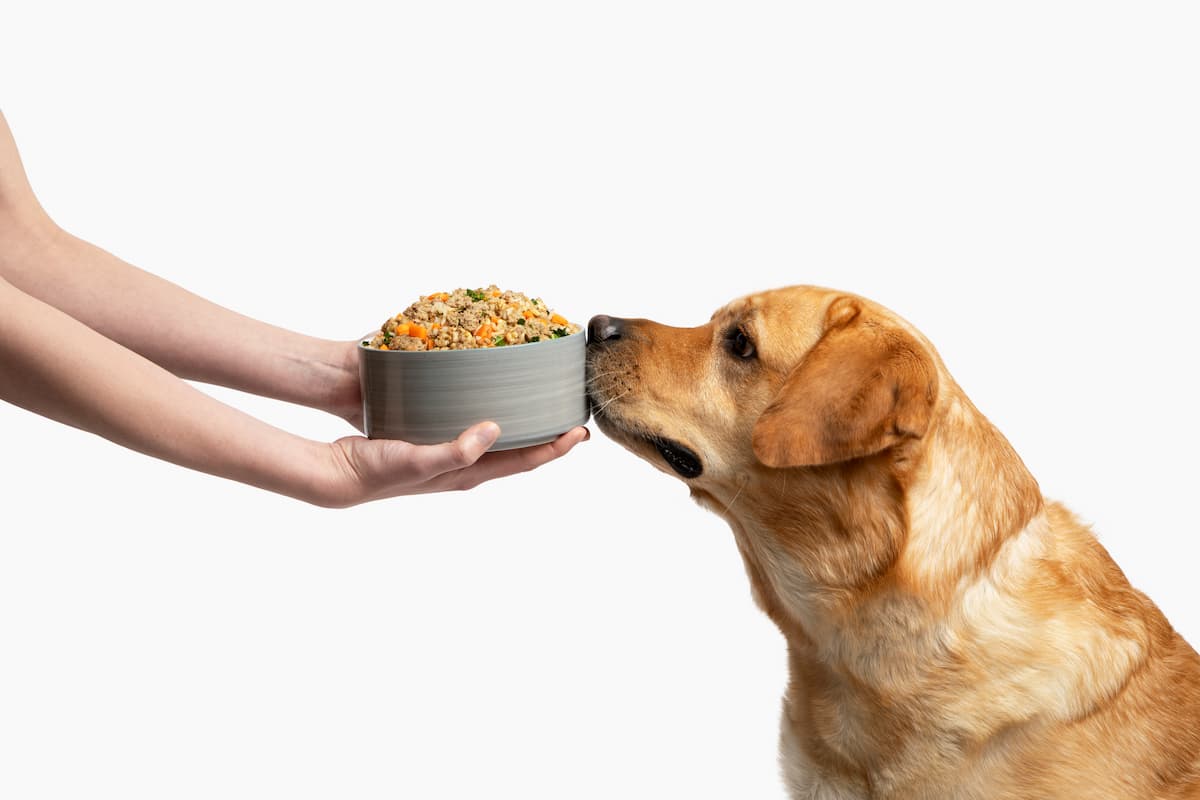
Consistent, complete and balanced nutrition plays an important role in supporting your dog’s overall health. The right diet provides the nutrients necessary for normal digestion, energy production and healthy bodily functions.
Even dogs receiving excellent nutrition can experience digestive problems or develop unusual behaviors. If your dog’s floor licking persists, worsens or occurs alongside other symptoms, your veterinarian can help determine the underlying cause.
Frequently Asked Questions
Can anxiety cause a dog to lick the floor?
Yes, stress and anxiety can cause repetitive licking behaviors in some dogs. Common triggers can be separation from family members, visitors, loud noises or changes in routines. Some dogs may also lick surfaces as a way of coping with uncomfortable situations.
Does the feeding schedule affect floor-licking behavior in dogs?
It can. Long gaps between meals may contribute to hunger-related food-seeking behaviors in some dogs, particularly those that regularly discover crumbs or food residue on the floor. Redirection of floor licking at meal times and a consistent feeding routine can help establish predictable expectations around meals and support normal digestive habits.
Can dehydration cause unusual licking behaviors in dogs?
Dogs need access to fresh, clean drinking water to maintain normal hydration. A thirsty dog might seek out sources of moisture, though floor licking isn't a reliable indicator of dehydration. Potential signs of dehydration include dry or tacky gums, lethargy, sunken eyes, and reduced skin elasticity. These symptoms need veterinary attention.
Why does my dog lick the floor at night?
Nighttime floor licking may be related to leftover food scents, boredom, stress or digestive discomfort. Some dogs may also become more noticeable in their licking habits, like paw licking, when the household is quiet.
Is it dangerous for dogs to lick the floor?
Occasional floor licking isn't necessarily dangerous, but floors can contain cleaning chemicals, bacteria, food scraps and small objects that may be harmful if swallowed. Keeping household surfaces clean and using pet-safe cleaners can help protect your dog.
- Véronique Bécuwe-Bonnet, Marie-Claude Bélanger, Diane Frank, Joane Parent, Pierre Hélie, Gastrointestinal disorders in dogs with excessive licking of surfaces, Journal of Veterinary Behavior, Volume 7, Issue 4, 2012, Pages 194-204, ISSN 1558-7878, https://doi.org/10.1016/j.jveb.2011.07.003. (opens in a new tab)
- Kaufmann H, Duboc H, Freiche V. Functional dyspepsia: from human to dog, a retrospective study of 29 cases illustrating a complex entity. BMC Vet Res. 2025 Oct 10;21(1):600. doi: 10.1186/s12917-025-05038-7. PMID: 41074059; PMCID: PMC12512554. (opens in a new tab)
- Hesse, T. (2024, August 6). Why won’t my dog stop licking the floor? Doylestown Veterinary Hospital. (opens in a new tab)
- American Veterinary Medical Association. (n.d.). Household hazards. Retrieved October 30, 2026. (opens in a new tab)