- Pyoderma is a bacterial skin infection in dogs that causes red bumps, crusty patches and hair loss.
- It’s usually secondary to another problem, such as allergies, parasites, hormonal disease or skin folds.
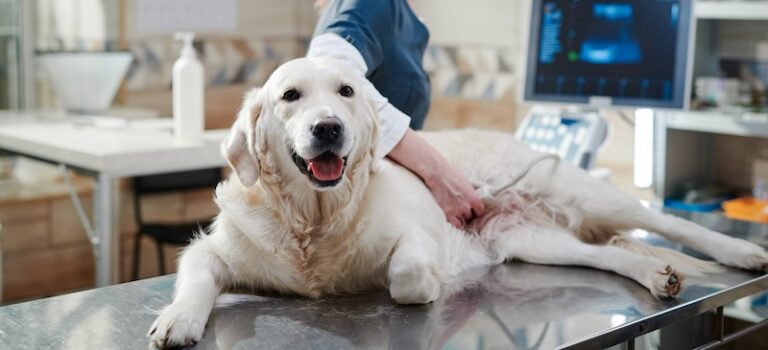
- A vet visit is needed to confirm the diagnosis and choose treatment, which often includes medicated shampoos and sometimes oral antibiotics.
- Treating the underlying cause and finishing the full treatment plan helps keep pyoderma from coming back.
Pyoderma is the technical term for a bacterial skin infection in dogs. The condition is common in all breeds, sizes and ages of dogs, causing red bumps, crusty patches and missing fur. Dogs with pyoderma are often uncomfortable and itchy, so identifying the cause is important to resolve the issue quickly.
Bacterial pyoderma in dogs is treatable with prompt veterinary care. Here’s what you need to know about pyoderma, from what causes it and how your vet will treat it to what you can do to help your dog feel better.
What is pyoderma in dogs?
The term pyoderma breaks down to “pyo,” which means “pus,” and “derma,” which refers to the skin. Pyoderma is an infection that develops when bacteria that normally live on your dog’s skin multiply quickly when their defenses are down. The infection can range from mild to severe, depending on the type.
Superficial pyoderma affects only the top skin layers, while deep pyoderma affects the skin layers you can’t see.
Pyoderma in dogs is usually secondary to another condition, such as allergies, parasites or other disruptions in the skin barrier that create ideal conditions for bacteria to flourish.
What causes pyoderma in dogs?
Like the gut, a dog’s skin is home to bacteria and fungi that usually live in harmony. The skin barrier normally prevents bacteria from causing harm, but when immune defenses are down, the bacteria can take over.
Common causes of canine pyoderma include:
- Allergies: Inflammation and self-trauma (scratching) from atopic dermatitis (environmental allergies), flea allergy dermatitis or a food allergy break down the skin barrier and give bacteria an entry point.
- Parasites: Fleas, Demodex mites (a cause of mange) and other external parasites irritate the skin and trigger scratching. Puppies and dogs with weakened immune systems are vulnerable to mite-related skin disease and secondary bacterial infections.
- Hormonal conditions: Endocrine diseases, such as hypothyroidism or Cushing’s disease, suppress the immune system and can cause changes in the skin and coat, leaving them vulnerable to infection.
- Skin folds: Deep skin folds on the face, tail, neck or body can trap moisture, damage the skin and promote bacterial growth. Skin fold pyoderma is commonly seen in breeds like English bulldogs, pugs, Shar-Peis and overweight dogs.
- Immunosuppression: Dogs on certain medications or with immune system disorders may not fight off bacteria as effectively, leading to more frequent or more severe skin infections.
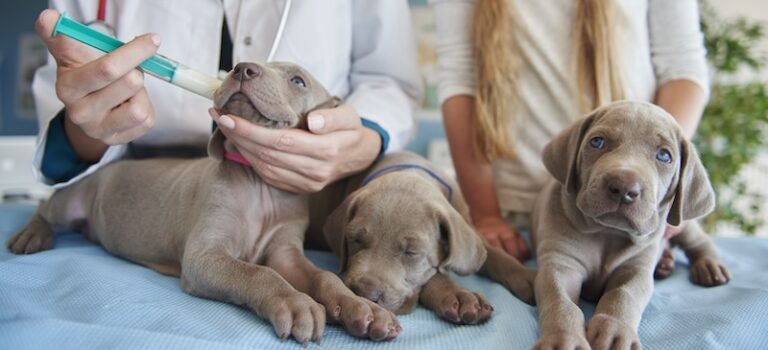
- Puppy pyoderma: Young puppies sometimes develop mild bacterial skin infections or red bumps on their bellies as their immune systems mature. Most cases of puppy pyoderma resolve with topical treatment.
Signs and symptoms of pyoderma in dogs
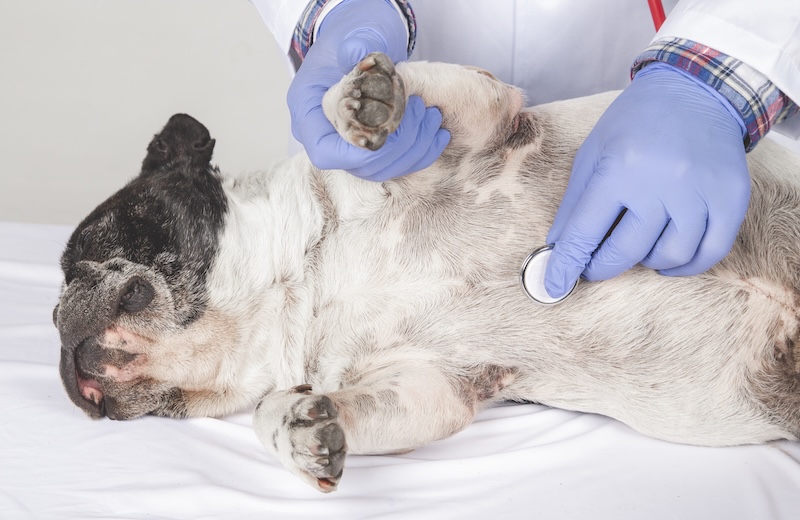
The signs of pyoderma mimic those of many other skin conditions. If you notice any of these signs, your vet can perform tests to determine if the cause is pyoderma or something else:
- Red or inflamed skin on the belly, groin, armpits or back, which can be localized or widespread.
- A rash of firm pimples (papules) or fluid-filled bumps (pustules), circular crusts, or ring-shaped patches of flaking skin lesions called epidermal collarettes.
- Patchy hair loss or a “moth-eaten” appearance.
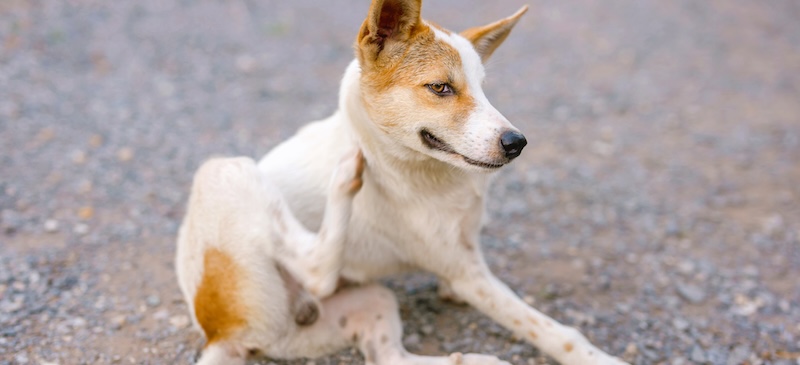
- Itching, licking or scratching at affected areas, which can cause additional irritation.
Some dogs with pyoderma have multiple skin conditions at the same time. Seeing your veterinarian is the only way to distinguish pyoderma from other issues and find the right treatment.
How pyoderma in dogs is diagnosed
Pyoderma skin lesions sometimes have a characteristic appearance, but your vet will need more information to diagnose them and choose the right treatment. A veterinarian can diagnose pyoderma based on the following:
- Skin exam to visually evaluate superficial pyoderma skin lesions and check for moist areas or parasites.
- Microscopic exam (cytology) to look for bacteria, white blood cells, yeast, Demodex or other skin mites and guide treatment decisions.
- Culture and sensitivity testing in cases of recurrent, deep or non-responsive infections. This lab test identifies the bacteria present and determines which antibiotics will be effective.
Your vet may also recommend bloodwork or allergy testing to check for underlying conditions if your dog’s pyoderma recurs frequently.
Treatment options for pyoderma in dogs
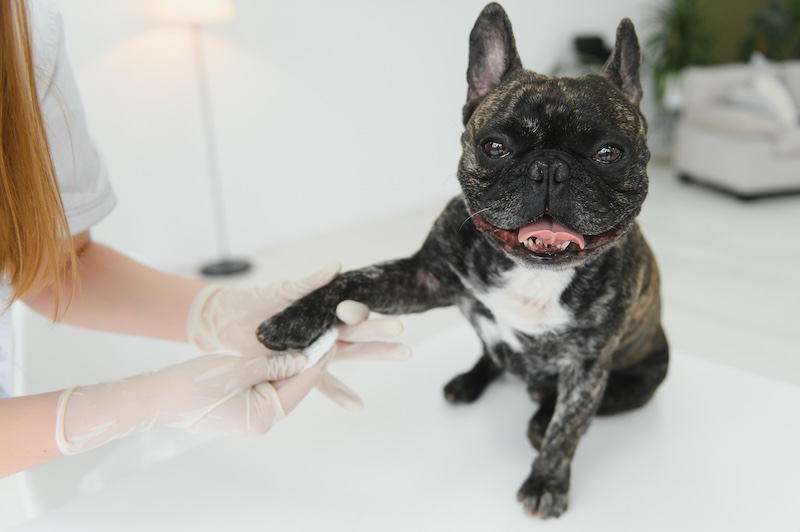
There are two main goals of treatment for pyoderma in dogs: clearing the infection and addressing the underlying issue that allowed it to develop. Your veterinarian will build a plan based on the type and severity of your dog’s pyoderma.
Your dog’s therapy plan may include one or more of the following:
- Topical therapies: Medicated shampoos with antibacterial ingredients like chlorhexidine or benzoyl peroxide can help reduce bacteria on the skin’s surface. Your vet may also recommend medicated wipes, sprays or ointments as a first-line approach for mild or superficial infections.
- Oral antibiotics: When topical treatments aren’t enough, vets may prescribe oral antibiotics. Treatment usually lasts 10 to 14 days, according to International Society for Companion Animal Infectious Disease guidelines, but it can take several months to clear a very deep or extensive infection. Your vet will decide the appropriate dosage and timeline for your dog.
- Treatments for underlying conditions: Anti-itch medications, allergy shots, dietary changes, parasite treatments, hormonal medications, anti-inflammatories, immunosuppressants or weight loss might be required to address underlying issues contributing to pyoderma.
- Ongoing skin care: Regular bathing with medicated shampoos, keeping skin folds clean and dry, and maintaining a healthy coat help support overall well-being. Additionally, your vet can advise whether dietary changes are appropriate for the underlying cause.
Follow your vet’s recommendations regarding pyoderma treatment. Don’t try to treat the infection at home, because it may worsen and become harder to eliminate.
If your veterinarian prescribes oral antibiotics, always complete the full course, as stopping them too early can allow remaining bacteria to become resistant to treatments.
When to see a veterinarian
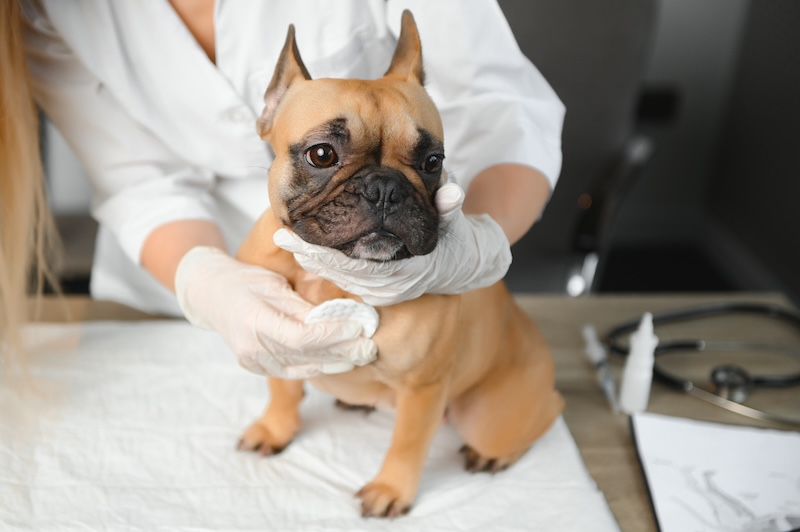
True pyoderma requires veterinary care to resolve. If you aren’t sure what’s wrong with your pet’s skin, or if a mild irritation gets worse, see your vet.
Here are some general guidelines on when to see the veterinarian for a skin problem:
- Persistent skin lesions: Bumps, crusts, redness, swelling or bleeding areas of skin that get larger or fail to improve within a few days (48 to 72 hours) of noticing them can indicate an infection.
- Signs of discomfort: Scratching, licking or chewing at the skin indicate that a dog is uncomfortable, and scratching can worsen infections. Vet-prescribed treatments can help break the itch-scratch cycle.
- Recurring infections: Skin infections that keep coming back or never go away point to an underlying issue, such as allergies, a hormonal disease, immunosuppression, parasites or a resistant bacterial infection.
Recovery takeaways of pyoderma in dogs
When you own a dog, chances are high that you’ll encounter pyoderma at some point since it’s one of the most common skin infections in dogs. You can help your dog recover from this skin infection by following your vet’s instructions closely and completing the full treatment plan your vet prescribes — even if the skin starts to look better.
Completing the full course of antibiotics and applying topical treatments consistently will help clear infections quickly.
Pyoderma usually has an underlying cause. Sometimes the cause corrects itself, like in puppies whose immune systems eventually mature. Other times, you’ll need to work with your vet to identify and address underlying causes, like allergies, endocrine disorders, parasites or skin folds.
Your veterinarian can help you craft a long-term plan to support your dog’s skin health, including prescription treatments, regular checkups, parasite prevention, routine grooming and more.
JustFoodForDogs offers a full line of fresh, whole-food diets crafted with human-grade ingredients to support overall health and well-being. Work with your veterinary team to determine if a JustFoodForDogs diet or supplement may be right for your dog. (Note that complete and balanced nutrition can help support a dog’s overall health, but it does not treat pyoderma.)
Frequently asked questions
Can pyoderma in dogs be prevented?
Pyoderma is common and not always preventable. However, you can help reduce your dog's risk of developing skin infections by using flea and parasite prevention products, grooming your dog regularly, keeping skin folds clean and dry, and managing allergies or other chronic conditions in collaboration with your vet. Your vet may recommend a bathing routine with a medicated shampoo for dogs prone to recurrence; follow her guidance on product and frequency.
Is pyoderma in dogs contagious?
Pyoderma is generally not contagious between dogs or from dogs to people. The bacteria most commonly responsible, Staphylococcus pseudintermedius, normally lives on a dog's skin and doesn't typically cause disease in humans. In rare cases, methicillin-resistant staph infections (commonly called MRSA) can be passed from a pet to an immunocompromised human. To be cautious, you should wash your hands after handling your pet when they have a skin infection.
Can pyoderma in dogs come back?
Pyoderma often recurs in dogs with chronic underlying skin inflammation or other diseases that predispose them to infections. Seeing a vet to properly diagnose and manage allergies, endocrine diseases or immune system problems can help you prevent recurrent infections. Completing the full course of prescribed treatment, rather than stopping when the skin looks better, will also help to eliminate difficult bacterial infections.
- Moriello, K. A. (2024, September). Pyoderma in dogs. Merck Veterinary Manual. (opens in a new tab)
- Loeffler A, Cain CL, Ferrer L, Nishifuji K, Varjonen K, Papich MG, Guardabassi L, Frosini SM, Barker EN, Weese JS. Antimicrobial use guidelines for canine pyoderma by the International Society for Companion Animal Infectious Diseases (ISCAID). Vet Dermatol. 2025 Jun;36(3):234-282. doi: 10.1111/vde.13342. PMID: 40338805; PMCID: PMC12058580. (opens in a new tab)
- International Society for Companion Animal Infectious Diseases. Guidelines and consensus statements. (opens in a new tab)
- Bajwa J. Canine superficial pyoderma and therapeutic considerations. Can Vet J. 2016 Feb;57(2):204-6. PMID: 26834275; PMCID: PMC4713004. (opens in a new tab)