

- IBD is a chronic inflammatory condition that affects a dog’s gastrointestinal tract and can interfere with digestion and nutrient absorption.
- The best dog food for IBD depends on your dog’s individual needs. Veterinarians may recommend highly digestible, limited-ingredient, hydrolyzed protein, novel protein or low-fat diets.
- Dietary changes should be guided by your veterinarian. A gradual food transition, symptom tracking and a supervised diet trial can help determine which foods your dog tolerates.
- Consistency matters. Avoid unapproved treats, table scraps and flavored medications that may introduce ingredients outside your dog’s prescribed diet.
Dogs with inflammatory bowel disease (IBD) can have good and bad days. Unfortunately, the bad days can mean a miserable pup and messes to clean up. Nutrition may be one component of the veterinarian-directed management plan for dogs diagnosed with IBD.
Here’s our guide to IBD in dogs, including what to feed a dog with inflammatory bowel disease, which diet types veterinarians may recommend and practical feeding tips for long-term comfort.
What is IBD in dogs?

IBD is a chronic disease that affects a dog’s gastrointestinal (GI) tract. Inflammatory cells build up in the lining of the stomach, small intestine and/or large intestine. This disrupts digestion, impairs nutrient absorption, and encourages bacterial imbalance or overgrowth in the gut.
Veterinarians manage IBD with dietary therapy, anti-inflammatory medications and supplements. This condition is not the same as irritable bowel syndrome (IBS).
The ideal dog food for IBD is different from dog food for IBS. This guide does not cover how to choose food for dogs with IBS.
What are the signs of IBD in dogs?
Signs of IBD in dogs overlap with those of many other gastrointestinal conditions. Visiting a veterinarian is an important step in determining what could be causing your dog’s symptoms.
Seek immediate veterinary care if your dog has bloody diarrhea, repeated vomiting or sudden severe lethargy.
Chronic or recurring vomiting
Dogs with IBD affecting the stomach or small intestine may experience vomiting that comes and goes or seems to occur randomly.
Chronic or recurring diarrhea
Chronic, recurring or intermittent diarrhea is a hallmark of IBD in dogs. The diarrhea may not respond to traditional treatments or may stop responding over time.
Changes in appetite
Some dogs with IBD lose interest in food, while others seem hungrier than usual because their intestines don’t absorb nutrients properly.
Weight loss
Dogs with severe IBD may lose weight or develop nutritional deficiencies because they can’t effectively absorb or use the energy, vitamins and minerals in their food.
Gas or bloating
Inflammation in the GI tract can disrupt the gut microbiome, leading to increased gas, bloating and abdominal discomfort.
Low energy
A dog with chronic gastrointestinal issues may have low energy, especially during active bouts of vomiting or diarrhea, which can also cause belly discomfort.
What to look for in dog food for IBD
Dietary modification may be an important part of a veterinarian-directed management plan. Veterinarians may recommend highly digestible diets depending on the individual dog’s needs, and you may have to try a few before finding the right one.
Ask your veterinarian to help you choose a dog food that best fits your dog’s situation. Most foods formulated for IBD will have similar properties, including:
- Easy digestibility: Highly digestible dog food may help ease the gut’s workload, potentially improving nutrient absorption and reducing waste.
- Limited ingredients: Feeding a limited-ingredient diet can help you and your vet pinpoint protein and carbohydrate sources your dog can (or cannot) tolerate.
- High-quality, single-source protein: Dogs with IBD can develop a sensitivity to certain proteins as a result of inflammation in the gut, which can make symptoms worse. Your vet may recommend switching to a new protein or feeding only one protein at a time.
- Prebiotics or probiotics: These can help support a healthy balance of gut bacteria, which can be off balance in IBD. A healthy microbiome supports immune function and overall health. Ask your vet if they’re appropriate for your dog’s condition.
- Moderate, balanced fiber: The right amount and type of fiber can promote good stool quality and improve microbial balance. Fiber recommendations may vary depending on what parts of the GI tract are inflamed.
Diet types recommended for dogs with IBD
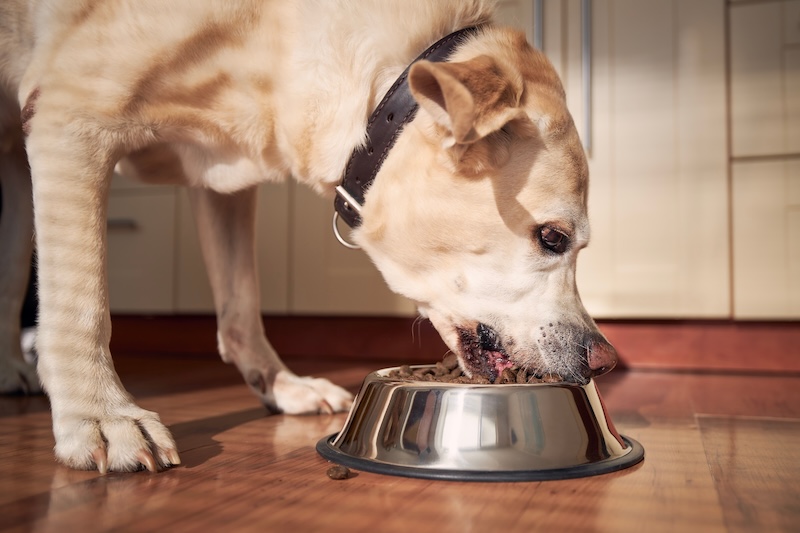
Veterinarians may recommend several diet types for dogs with IBD. The right choice depends on each dog’s history, symptoms, and how he responds to each diet or ingredient.
Hydrolyzed protein diets
Hydrolyzed protein is protein that has been broken down into much smaller molecules than normal. Vets may recommend hydrolyzed protein diets in appropriate cases, and these diets typically require a veterinary prescription.
Novel protein diets
A novel protein diet uses a protein source a dog hasn’t eaten before, such as venison, duck or rabbit.
Limited ingredient diets
Limited ingredient diets usually use a single protein and carbohydrate source to reduce the number of ingredients a dog with IBD may react to. Most novel protein and hydrolyzed diets also contain limited ingredients.
Low-fat diets
Some dogs with IBD struggle to digest fats and do well on a low-fat diet. A veterinarian may recommend a lower-fat diet for some dogs depending on the individual condition and fat tolerance.
Homemade diets
A nutritionist-formulated homemade diet can help dogs with specific needs or when other diets are unsuitable. This is usually a short-term option to help pet parents and vets determine which ingredients and balance of fats, carbs and proteins work best for the pet.
6 tips for feeding a dog with IBD

Here are practical feeding strategies that may be recommended as part of a veterinarian-directed nutrition plan.
1. Work with a veterinarian
IBD management is a lifelong commitment, and your dog’s needs may change over time. A general practice veterinarian or veterinary specialist can help determine the most appropriate diet, protein source and fiber balance for your dog’s history and current symptoms.
2. Transition gradually
Dogs with IBD have especially sensitive digestive systems, so pet parents should switch foods very slowly, for example, over one to two weeks. (A vet will provide an individualized schedule and program for switching food for your dog.) This gradual approach allows time to monitor the dog’s tolerance to the new food.
3. Give it time
It can take several weeks to know if a new food will help your pet. If a food allergy is suspected, your veterinarian may recommend a diet trial period. The length of a trial varies and should be set by your vet, for instance several weeks to two months.
Give each food a chance before giving up and moving on to the next trial.
4. Track symptoms
Tracking stool quality, vomiting episodes, energy level and appetite can help you see how food and other variables, such as stress or unrelated illnesses, impact your dog’s symptoms over time.
5. Don’t forget about treats
It’s easy to undermine a strict diet by feeding treats or scraps that contain ingredients outside the prescribed plan. Avoid flavored medications, and choose treats made from the same protein source as your dog’s food.
6. Adjust feeding during active flares
Most dogs with IBD have intermittent recurrence of symptoms called active flares. Between these periods, dogs can go weeks or months without any GI signs.
Feed for comfort, not just for calories
Dogs with IBD have specialized dietary needs. Veterinarians may incorporate nutrition alongside other components of an individualized IBD management plan. Finding the right diet can take some trial and error, and working closely with your vet is the best place to start.
Every dog’s nutritional needs are different, especially when a medical condition is involved. Work with your veterinarian to determine the appropriate diet for your dog’s individual needs.
For general nutritional support for healthy dogs, JustFoodForDogs offers a variety of fresh food options, including balanced recipes, veterinary diets and custom-formulated diets. (Note: These products are not a treatment for IBD and should only be used under direct veterinary guidance.)
FAQs about the best dog food for IBD
Are there foods dogs with IBD should avoid?
There isn't a single list of foods that every dog with IBD needs to avoid. Dietary needs vary considerably among individual dogs. Depending on your dog's history and response to food, your veterinarian may recommend a specific protein source, fat or fiber level, or a supervised dietary trial.
Can I make homemade food for a dog with IBD?
Homemade food is an option for a dog with IBD if a veterinary nutritionist can formulate a recipe that meets all of your dog's nutritional needs. Nutritional balance and vitamin supplementation are critical considerations, and feeding a homemade diet without professional guidance risks upsetting this balance.
Do dogs with IBD need probiotics or supplements?
Probiotics may help support a healthy microbiome balance in dogs with IBD, who may suffer from a condition called dysbiosis. Dogs with intestinal inflammation may need cobalamin (B12) supplementation if their intestinal inflammation interferes with their ability to absorb this essential vitamin. Pet parents should discuss the need for probiotics or supplements with their veterinarians.
- Cerquetella M, Spaterna A, Laus F, Tesei B, Rossi G, Antonelli E, Villanacci V, Bassotti G. Inflammatory bowel disease in the dog: differences and similarities with humans. World J Gastroenterol. 2010 Mar 7;16(9):1050-6. doi: 10.3748/wjg.v16.i9.1050. PMID: 20205273; PMCID: PMC2835779.
- Cornell University College of Veterinary Medicine. “Inflammatory Bowel Disease (IBD).” Richard P. Riney Canine Health Center.
- Cornell University College of Veterinary Medicine. “Inflammatory Bowel Disease and the Home-Prepared Diet.” Richard P. Riney Canine Health Center.
- Yang Q, Wu Z. Gut Probiotics and Health of Dogs and Cats: Benefits, Applications, and Underlying Mechanisms. Microorganisms. 2023 Sep 29;11(10):2452. doi: 10.3390/microorganisms11102452. PMID: 37894110; PMCID: PMC10609632.