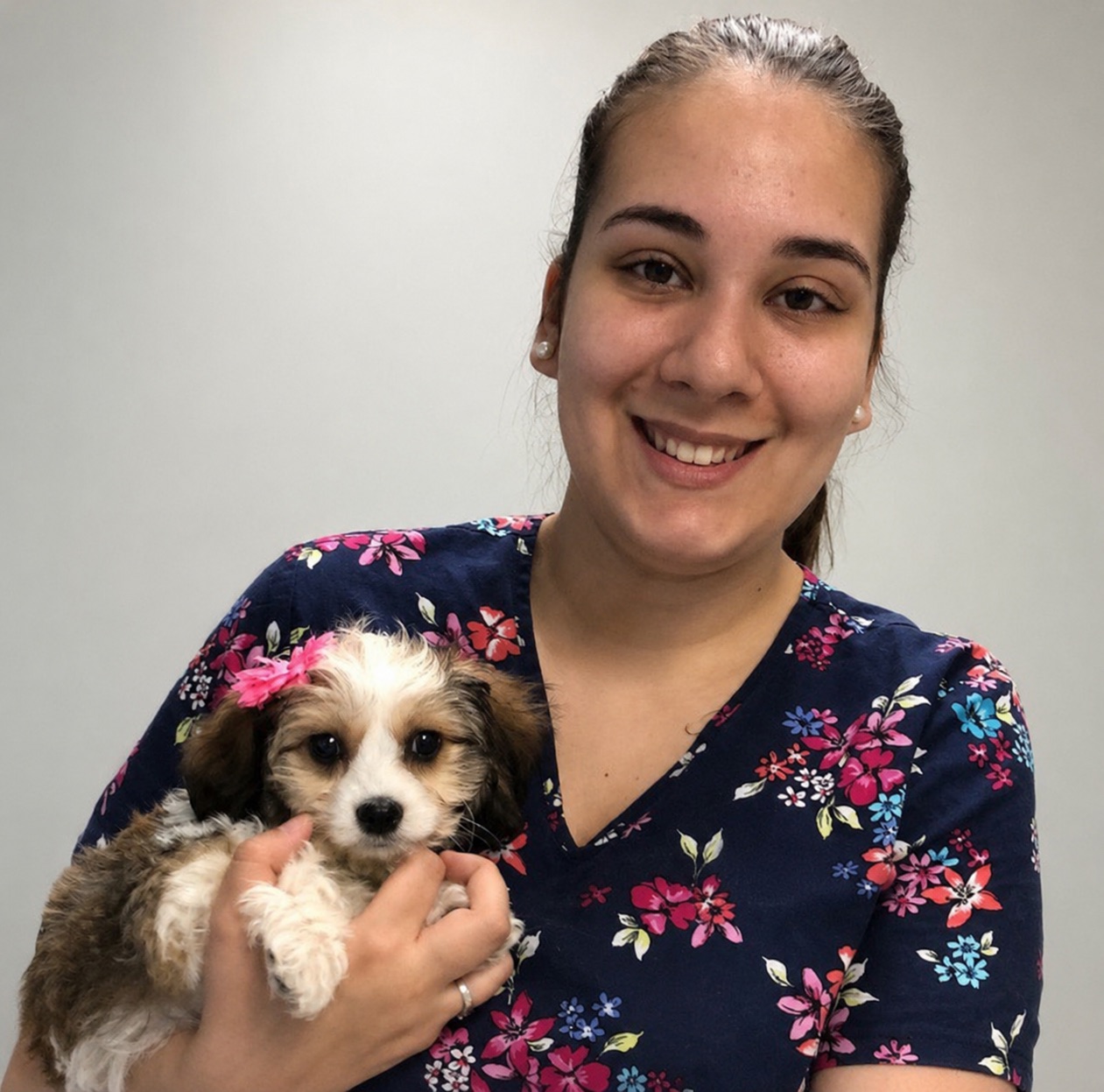
- Puppies typically receive their first vaccinations at 6 to 8 weeks of age, followed by booster shots every three to four weeks until they’re around 16 weeks old or older.
- Core vaccines include DHPP, leptospirosis and rabies. Depending on your puppy’s lifestyle and risk of exposure, your veterinarian may also recommend Bordetella, Lyme disease and canine influenza vaccines.
- Most puppies are considered fully vaccinated about one to two weeks after their final puppy vaccines, typically given around 16 weeks of age.
- If your puppy misses a vaccine appointment, contact your veterinarian to adjust the schedule. Your puppy may not need to restart the entire series.
Vaccines aren’t only an important milestone for your new puppy, but an essential foundation for her lifelong health. One of the most essential steps in early puppy care is following a puppy vaccination schedule.
Puppies are born with developing immune systems, leaving them especially vulnerable to serious infectious diseases. Vaccinations help protect them during this critical stage of growth by building immunity before they’re exposed to potentially life-threatening illnesses.
This guide explains a typical puppy vaccination schedule, what shots puppies usually receive at each stage of development and how vaccinations help protect against preventable diseases from puppyhood to adulthood.
Why do puppies need vaccines?
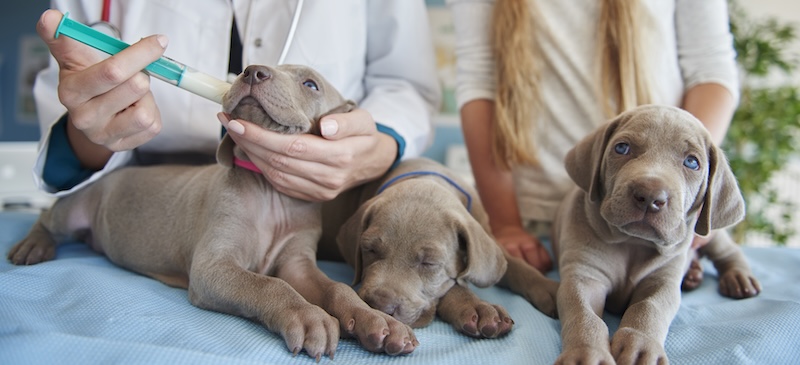
Puppies have immature immune systems, leaving them vulnerable to infectious diseases. During the first few weeks of life, they receive temporary protection from their mothers’ antibodies through nursing. As those antibodies naturally fade, puppies become more susceptible to illness.
Because this protection doesn’t disappear all at once, puppies need a series of vaccines given as boosters over several weeks to help their own immune systems build lasting immunity.
Vaccines prepare your puppy’s immune system to recognize and fight off harmful diseases before they’re exposed to them. This protection helps reduce the risk of serious illnesses like parvovirus, distemper, hepatitis and rabies — diseases that can be severe or even life-threatening, especially in young puppies.
Not every puppy will need the exact same vaccines, and learning how to care for a dog involves working with your veterinarian to determine which ones are necessary. While every puppy vaccination schedule includes core vaccines, your veterinarian considers factors such as your puppy’s age, health and risk of exposure to certain diseases when recommending which lifestyle (optional) vaccines to include. This personalized approach helps ensure your puppy receives the protection it needs at the right time, giving him the healthiest possible start in life.
Puppy vaccination schedule by age
While there is a general puppy vaccination schedule that most veterinarians follow, every puppy is different. Think of the schedule below as a general guide. Your veterinarian will recommend the vaccination plan that’s best for your puppy and may tweak it as needed.
Here are general puppy vaccination guidelines from the American Animal Hospital Association (AAHA) and World Small Animal Veterinary Association (WSAVA).
6 to 8 weeks
This is typically the earliest age at which a puppy can receive her first round of vaccinations. It’s also when maternal antibodies begin to subside.
Puppy shots commonly given at this vet visit include:
- DHPP/DAPP, which includes distemper, canine infectious hepatitis, parvo and parainfluenza
- Bordetella
Your veterinarian will also perform a physical exam, prescribe deworming medication and discuss the schedule for future booster vaccines.
10 to 12 weeks
The second vaccination appointment builds on the protection started during the first visit. Booster vaccines are important because a single dose isn’t enough to provide reliable, long-term immunity in puppies.
Vaccines commonly offered by a vet at this visit include:
- DHPP/DA2PP booster
- Leptospirosis
- Bordetella (if a dose wasn’t given earlier or if a booster is needed, depending on the vaccine type)
- Canine influenza
- Lyme
14 to 16 weeks
The final puppy vaccination visit is an important milestone because it helps ensure your puppy develops strong, lasting protection after the maternal antibodies have worn off.
Vaccines commonly given to your pet at this visit include:
- Final DHPP/DA2PP booster shot
- Rabies vaccine
- Additional booster shots for lifestyle vaccines
This schedule is a rough guide, and depending on when your puppy gets his first vaccine and how visits are spaced out, he may receive four sets of vaccines rather than three. After the first vaccine visit, appointments usually are spaced out every three to four weeks, so if your pup’s first vaccination is at six weeks, she might return at 10 weeks, 13 weeks and 17 weeks of age. Your vet will give you specifics on the exact timeline and guidelines that are right for your pet.
It’s also important that the last DHPP vaccination is given at 16 weeks or older, according to the AAHA, WSAVA and American Veterinary Medical Association, since maternal antibodies have usually faded by then.
After completing the series, your veterinarian will recommend when your puppy should receive future vaccinations to help maintain protection throughout adulthood. In most cases, vaccinations are given at the yearly vet visit, with the next vaccinations due around 1 year of age.
Core vaccines and lifestyle vaccines explained
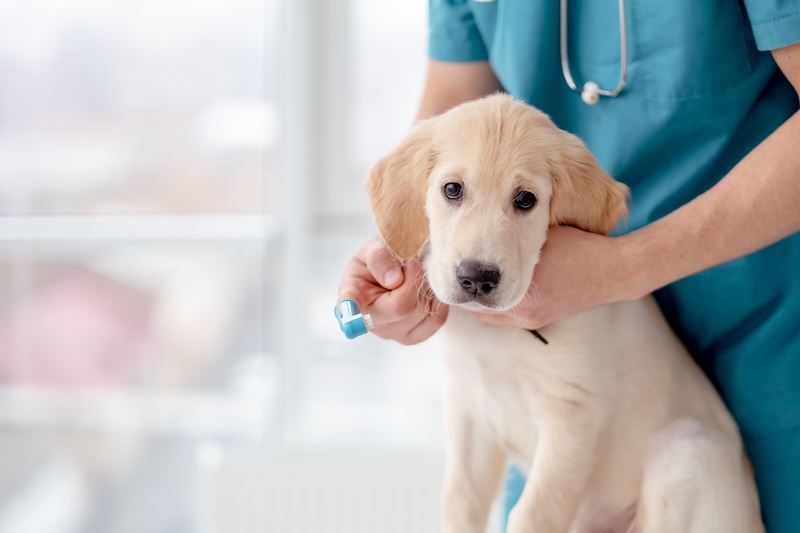
Puppy vaccines fall into two categories: core vaccines and lifestyle (optional or non-core) vaccines. Core vaccines are highly recommended for nearly every puppy because they protect against serious, widespread diseases. Lifestyle vaccines are recommended based on your puppy’s risk of exposure, including where you live, how often your pup interacts with other dogs and your dog’s daily activities.
Your veterinarian will help develop a tailored protocol for which vaccines are right for your puppy’s routine and environment.
Rabies vaccine
Rabies is a core vaccine that protects against a fatal disease affecting both animals and people that specifically targets and damages the nervous system. It is required by law in many states and is often given between 12 and 16 weeks of age, then repeated every one to three years.
DHPP vaccine
Sometimes referred to as DHPP, DAPP or even DA2PP, this combination vaccine is also part of the core set and protects against four serious diseases:
- Canine distemper: This viral disease causes respiratory signs accompanied by severe neurologic disease, often resulting in death.
- Canine infectious hepatitis: This form of hepatitis, or liver disease, is caused by an adenovirus.
- Parvovirus: This viral disease can cause severe, life-threatening gastrointestinal illness characterized by vomiting and bloody diarrhea. If you puppy experiences vomiting, bloody diarrhea, lethargy, fever, cough or neurologic signs, call your vet right away.
- Parainfluenza: This virus causes a highly contagious respiratory infection.
Depending on the timing of vaccine visits, pups may receive three or four booster doses of the DHPP vaccine.
Leptospirosis vaccine
The leptospirosis vaccine protects against Leptospira bacteria found in water and soil contaminated by wildlife urine. Leptospira can damage the kidneys and liver and can also spread to people.
While the lepto vaccination used to be recommended primarily for dogs living in high–risk rural areas, it’s now widely considered a core vaccine by many veterinary organizations, including the AAHA, and is given alongside the DHPP vaccine.
Bordetella vaccine
Bordetella is a lifestyle vaccine that helps protect against the bacteria Bordetella bronchiseptica, one of the most common causes of kennel cough. It’s recommended for puppies at high risk of exposure, such as those attending daycare, boarding, grooming appointments or training classes, or those who frequent places like dog parks and pet stores for socialization.
Lyme disease vaccine
The Lyme disease vaccine is typically recommended for puppies who live in or travel to areas where ticks are common. Lyme disease in dogs can cause fever, lethargy, joint swelling and “shifting-leg lameness,” with joint inflammation and lameness moving from one leg to another. It is often given alongside year-round tick prevention.
Contact your vet if you notice these signs or find a tick.
Canine influenza vaccine
The canine influenza vaccine helps protect against H3N8 and H3N2 influenza viruses that cause dog flu. It may be recommended for puppies who frequently come into contact with other dogs, such as at dog parks, daycare, boarding facilities or training classes.
When is a puppy considered fully vaccinated?
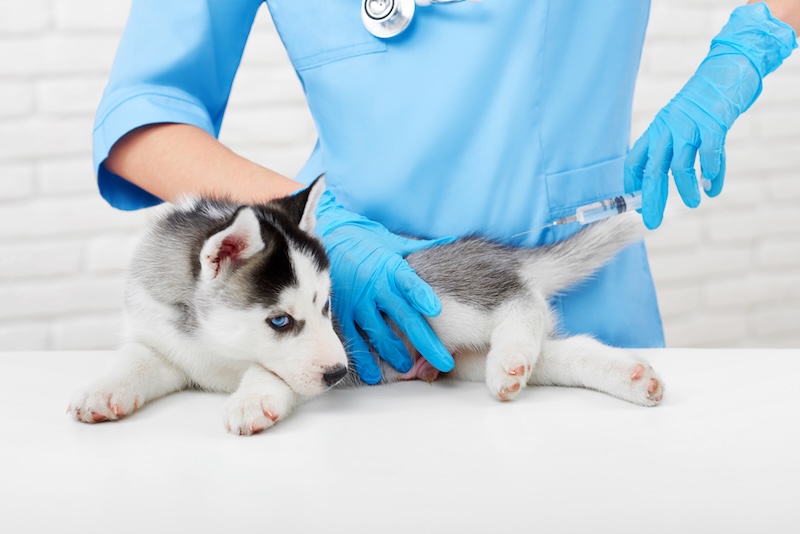
Most puppies are considered fully vaccinated about one to two weeks after their final puppy vaccines, which is typically given around 16 weeks of age. By this point, they’ve completed their initial vaccine series and have had time to develop a stronger immune response.
It’s important to complete the entire vaccine series, even if your puppy seems healthy. Maternal antibodies can interfere with early vaccinations, which is why puppies need multiple doses to build reliable protection.
Skipping or delaying vaccines can leave your puppy vulnerable to preventable diseases during this critical stage of development.
What happens if a puppy misses a vaccine appointment?
Missing a vaccine appointment doesn’t necessarily mean your puppy has to restart the entire vaccine series. In many cases, your veterinarian can simply adjust the schedule and continue where your puppy left off.
The best thing to do is contact your veterinary team as soon as possible so it can determine the most appropriate timing for the next vaccine.
Keeping your puppy as close as possible to the vet-recommended shot schedule helps ensure he stays protected during this stage of development and helps him avoid contracting a contagious viral illness or bacterial disease.
Keeping your puppy on track for lifelong protection
Following a puppy vaccination schedule is one of the best ways to give your new companion a healthy start in life. Staying on schedule and completing the full vaccine series helps protect your puppy during a time when she’s most vulnerable to preventable diseases.
Vaccinations are just one part of lifelong preventive care. Regular veterinary visits allow your vet to monitor your puppy’s growth, answer your questions, and recommend other preventive services and proper nutrition as your dog grows.
Feeding your growing puppy a complete and balanced diet is another aspect that is critical to healthy development. See how fresh food options from JustFoodForDogs can support your puppy’s health through every stage of life.
Frequently asked questions
Can my puppy go outside before finishing vaccinations?
Yes, but it's important to be cautious. Puppies may be able to spend time in their own yards or other low-risk environments if your veterinarian approves, but note that parvovirus can persist in soil, so ask your vet about yard use. However, they should generally avoid high-risk public areas, such as dog parks, pet stores and places where many unknown dogs gather, until they've completed their vaccine series and your veterinarian says it's safe.
What is the difference between core and lifestyle vaccines?
Core vaccines are recommended for nearly all puppies because they protect against serious, widespread diseases. Lifestyle (optional or non-core) vaccines are recommended based on your puppy's individual risk factors, including where you live, the environment and how often your pup is exposed to other dogs. Your veterinarian will help determine which lifestyle vaccines are appropriate.
What vaccines are required for grooming, boarding or daycare?
Requirements vary by facility, but most require proof of current rabies and DHPP vaccinations. Many boarding facilities, groomers and daycare centers also require the Bordetella vaccine, and some may recommend or require the canine influenza vaccine. Check with the facility beforehand so your puppy is up to date before their visit.
What vaccines do dogs need?
All dogs should receive core vaccines, including DHPP, leptospirosis and rabies. Depending on their lifestyles and risk of exposure, your veterinarian may also recommend vaccines such as Bordetella, Lyme and canine influenza. Your veterinarian can recommend the best vaccination plan based on your dog's age, health and lifestyle.
- KUSTRITZ MVR. Immunology. The Dog Breeder's Guide to Successful Breeding and Health Management. 2006:76–90. doi: 10.1016/B978-1-4160-3139-0.50009-2. Epub 2009 May 15. PMCID: PMC7155547.
- Caddy, S. (n.d.). Protecting puppies from pathogens: Understanding canine maternal antibody transfer [Research award]. Cornell University College of Veterinary Medicine.
- Tizard IR. Canine vaccines. Vaccines for Veterinarians. 2021:153–166.e1. doi: 10.1016/B978-0-323-68299-2.00022-8. Epub 2020 Jul 10. PMCID: PMC7348620.
- American Animal Hospital Association. (2022). 2022 AAHA canine vaccination guidelines (updated 2024).
- World Small Animal Veterinary Association. (2024). Vaccination guidelines.
- American Veterinary Medical Association. Vaccinating your pet.
- Centers for Disease Control and Prevention. (2026, January 27). About rabies.
- Day MJ, Horzinek MC, Schultz RD, Squires RA; Vaccination Guidelines Group (VGG) of the World Small Animal Veterinary Association (WSAVA). WSAVA Guidelines for the vaccination of dogs and cats. J Small Anim Pract. 2016 Jan;57(1):E1-E45. doi: 10.1111/jsap.2_12431. PMID: 26780857; PMCID: PMC7166872.
- Singler, E. (2025, January 3). Update: AAHA guidelines designate leptospirosis vaccine as core. AAHA NEWStat.
- American Veterinary Medical Association. Canine influenza: Veterinary resources.
- Association of American Feed Control Officials. Selecting the right pet food.