- Leaky gut in dogs means increased intestinal permeability. The gut lining lets more substances pass into the bloodstream than it normally would.
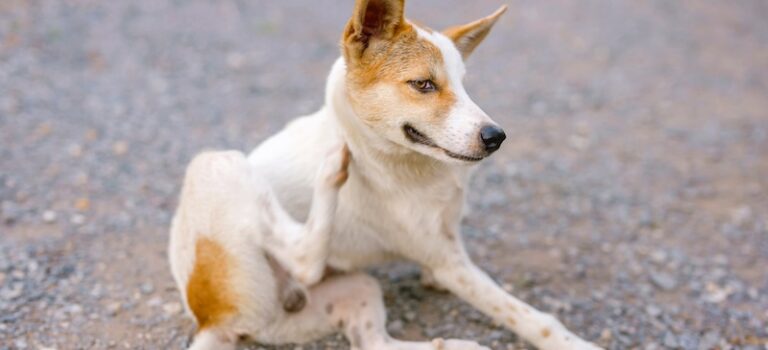
- Symptoms overlap with many other conditions, such as chronic diarrhea, itchy skin and recurring ear infections, so no single sign confirms it.
- Food sensitivities, certain medications, gut bacteria imbalance, stress and unbalanced diets commonly overlap as causes.
- A balanced, digestible, minimally processed diet supports the gut barrier. It doesn't treat any condition, so talk with your vet about your dog's needs.
A dog’s gut health shapes nearly everything about how he feels day to day, from energy and stool quality to skin, coat and mood. Yet many pet parents encounter the term “leaky gut” online without a clear sense of what it involves or when it matters.
If you have wondered what is leaky gut in dogs, or whether the symptoms you see at home connect to it, you are not alone.
This practical guide explains what leaky gut in dogs is, which symptoms and causes people commonly associate with it, and how everyday nutrition can support a healthier digestive tract. Along the way, we point out when to call your veterinarian, because persistent gut issues always deserve a professional evaluation.
What is leaky gut in dogs?
Leaky gut in dogs describes a state of increased intestinal permeability, as described by VCA Animal Hospitals, meaning the lining of the intestine lets more substances pass through than it normally would.
Pet parents often ask, “Is leaky gut real?”
The most useful place to start is with how the intestinal barrier works and why that barrier matters so much.
Under normal conditions, a single layer of cells lines the intestine. Neighboring cells connect through structures called tight junctions, which act like a selective gate. This barrier lets digested nutrients, water and minerals move into the bloodstream while keeping bacteria, toxins and undigested food particles inside the digestive tract.
A protective mucus layer, beneficial bacteria and the immune system, much of which sits in the gut, all reinforce this barrier.
When the barrier becomes more permeable, larger particles may cross into the bloodstream, and the immune system may respond with inflammation, according to VCA Animal Hospitals. Some people use the phrase leaky gut syndrome in dogs to describe this pattern, but the underlying concept is intestinal permeability.
Because the gut microbiome, the barrier and the immune response all influence one another, gut health rarely hinges on a single factor.
Symptoms of leaky gut in dogs
Leaky gut symptoms overlap with many other conditions, so no single sign points to a specific cause. The following signs may accompany intestinal permeability, and each one deserves attention. If any of them persist or appear without explanation, consult your veterinarian rather than guessing at the reason. (For instance, call your vet if vomiting or diarrhea lasts more than 24 to 48 hours, or immediately if you see blood, repeated vomiting, lethargy, a swollen belly, or refusal to eat or drink.)
Chronic digestive issues, such as vomiting or diarrhea
Recurring vomiting, loose stool or chronic diarrhea often prompts the first vet visit. A dog with an irritated intestinal lining may also pass gas, strain or produce stool that changes in consistency from week to week.
Recurring skin problems or itching
Constant scratching, licking paws and red, irritated skin frequently link back to allergies and food sensitivities, according to Colorado State University’s Veterinary Health System. Because research shows the gut and the immune system communicate closely, skin flare-ups sometimes signal that something in the digestive system needs a closer look.
Persistent ear infections
Ears that repeatedly become inflamed, smelly or waxy may reflect an underlying allergic or immune trigger. Treating each infection without asking why it keeps returning can leave the root issue unaddressed.
Unexplained joint stiffness or discomfort
Chronic inflammation can affect the whole body, including the joints. When a dog seems stiff or reluctant to move and orthopedic causes have been ruled out, your vet may explore other contributors, including digestive health, notes Badger Veterinary Hospital.
Food sensitivities that develop over time
A dog who tolerated his food for years may suddenly react to it. Developing food allergies or sensitivities to a common allergen such as beef, dairy, wheat or chicken can point to changes in how the gut handles what he eats.
Low energy or behavioral changes
A dog who feels unwell often acts differently. Lethargy, irritability or a drop in playfulness may accompany ongoing gut issues, especially alongside changes in appetite, weight loss or stool quality.
Common causes of leaky gut in dogs
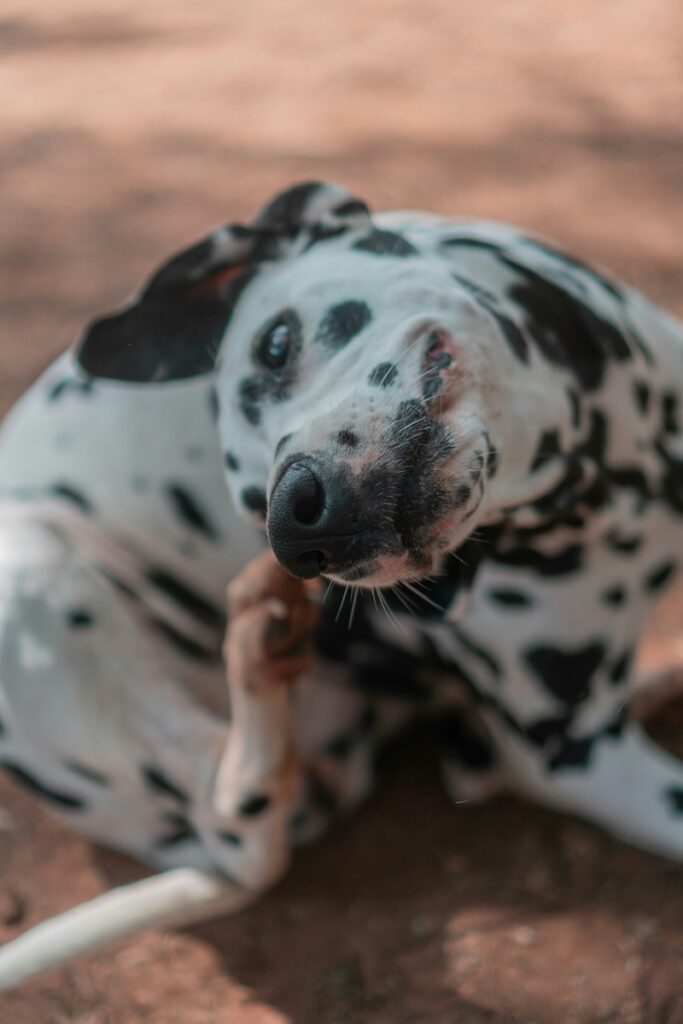
No single trigger explains every case. Instead, several factors commonly associated with a compromised gut barrier tend to overlap, according to research published in Expert Review of Gastroenterology & Hepatology and Critical Reviews in Food Science and Nutrition.
Food allergies or chronic sensitivities
Ongoing exposure to an ingredient a dog reacts to can keep the intestinal lining in a state of low-grade irritation. Common allergens include beef, chicken, dairy and wheat.
Over time, that chronic inflammation may make the barrier less effective.
Prolonged use of certain medications
Some medications, including long courses of antibiotics and certain anti-inflammatory drugs, can affect the gut lining or disturb the balance of gut bacteria. Never stop a prescribed medication on your own. Instead, ask your veterinarian how to support your dog’s digestion during treatment.
Bacterial imbalance in the gut
A healthy microbiome contains a diverse community of beneficial bacteria that helps digest food, train the immune system and protect the intestinal wall. When that balance shifts, a condition called dysbiosis, harmful bacteria can crowd out helpful ones, and digestion suffers.
Chronic stress
Dogs experience stress from changes in routine, separation, travel or boarding, and stress can disrupt digestion. Repeated or long-lasting stress may contribute to gut issues, which is why a stable routine can support digestive comfort.
Nutritional gaps from an unbalanced diet also affect the gut
Diets that lack essential nutrients or that rely heavily on processed foods, artificial additives and hard-to-digest ingredients may have a negative impact on the gut, according to research. Frequent table scraps also add gut-related risks, since foods like onion and garlic are toxic to dogs.
How nutrition supports a healthy gut
The cells lining a dog’s intestine renew constantly, and they rely on a steady supply of nutrients to do that work. A balanced, whole-food diet supplies those nutrients, feeds beneficial bacteria and helps the digestive system run smoothly.
Rather than chasing quick fixes, focus on the everyday quality of the dog food in the bowl. These five nutritional factors matter most:
- High-quality, digestible protein. Easily digestible protein sources, such as chicken, turkey, fish and eggs, give the body the amino acids it needs to maintain the gut lining. One of those amino acids, glutamine, serves as an important fuel for intestinal cells. Highly digestible ingredients also leave fewer undigested particles in the digestive tract.
- Adequate dietary fiber. Moderate amounts of fermentable fiber, from sources such as pumpkin, sweet potato and oats, feed beneficial gut bacteria. Those bacteria produce short-chain fatty acids that nourish the cells lining the colon.
- Omega-3 fatty acids. Fatty acids from sources such as fish support the body’s normal inflammatory response, and they contribute to the health of the gut lining, skin and coat, as noted in research published in the Journal of the American Veterinary Medical Association.
- Nutrient-dense, minimally processed ingredients. Whole foods, such as lean meats, vegetables and healthy fats, deliver vitamins, minerals and nutrients in forms the body absorbs well. Diets built around artificial preservatives and heavily processed ingredients offer less of that benefit.
- Gradual diet transitions. Research shows switching foods abruptly can upset even a healthy gut. Blend the new food into the old over seven to 10 days, increasing the proportion slowly, so the gut bacteria can adjust.
Dogs with suspected food allergies may need a more structured approach. Your veterinarian may recommend an elimination diet, which uses a novel protein your dog has never eaten, or a hydrolyzed protein diet, in which proteins are broken into pieces small enough that the immune system may not react to them, notes NC State Veterinary Hospital.
A veterinary nutritionist can build a plan that fits your dog’s needs.
Feeding for everyday digestive health
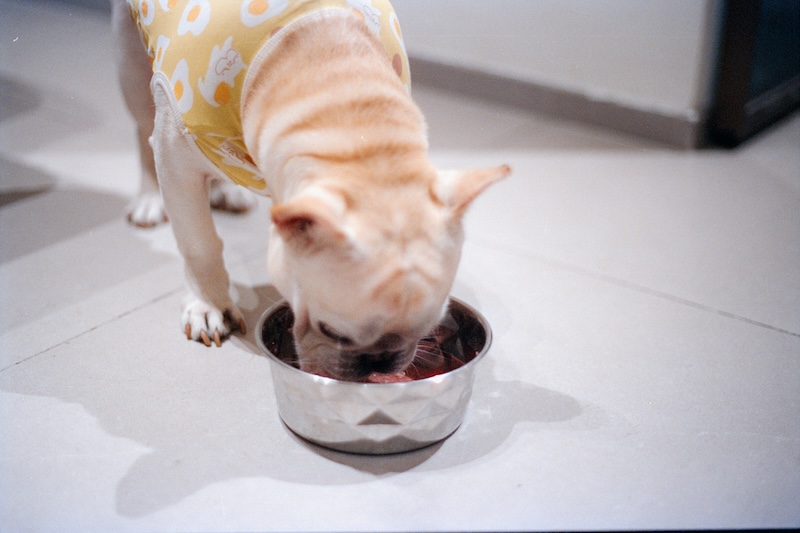
Gut health influences digestion, immune function, skin, energy and comfort, and the foundations covered here all start with what goes into your dog’s bowl.
To recap, the intestinal barrier keeps unwanted particles out of the bloodstream.
Symptoms such as chronic diarrhea, itching and recurring ear infections deserve a veterinary visit. Causes such as food sensitivities, medications, stress and unbalanced diets often overlap.
A complete and balanced diet is one part of overall digestive health; talk with your vet about your dog’s needs.
If you want to bring fresh, balanced nutrition into your dog’s routine, JustFoodForDogs offers a trusted place to start. Its recipes use whole-food ingredients and are developed with board-certified veterinary nutritionists.
Final thoughts
Leaky gut in dogs comes down to how well the intestinal barrier does its job, and daily nutrition plays a meaningful part in supporting that barrier. Watch for persistent symptoms, work closely with your veterinarian and choose balanced, digestible food.
Remember that diet and supplements only support a healthy intestinal tract; they do not treat any specific condition.
Frequently asked questions
How is leaky gut diagnosed in dogs?
No single definitive test confirms leaky gut in dogs. Instead, veterinarians work to identify underlying causes through a physical exam, lab work, stool testing and imaging. They may also recommend an elimination diet to check for food allergies.
If your dog shows persistent symptoms, a vet visit is the right first step.
Can leaky gut cause food allergies in dogs?
The two topics connect closely. When the gut barrier is compromised, undigested proteins may cross more easily into the bloodstream, where they may trigger immune responses over time. In turn, food sensitivities can keep the gut inflamed.
Your veterinarian can help you sort out which factors are at play in your dog.
What role do probiotics play in gut health for dogs?
Probiotics for dogs may help support a balanced gut microbiome and intestinal barrier function, according to research published in Microorganisms. They introduce beneficial bacteria, and prebiotic fiber feeds those bacteria, according to the Cornell Richard P. Riney Canine Health Center at Cornell University’s College of Veterinary Medicine. Because products vary widely in quality and strain, discuss any supplement with your veterinarian before you add it to your dog's routine.
- Weir, M., & Barnette, C. (2024, December 10). Leaky gut syndrome in dogs. VCA Animal Hospitals. (opens in a new tab)
- Ekici YE, Ok M. Investigation of the relationship between atopic dermatitis of dogs and intestinal epithelial damage. Vet Med Sci. 2024 May;10(3):e1453. doi: 10.1002/vms3.1453. PMID: 38648253; PMCID: PMC11034634. (opens in a new tab)
- Hatcher, M. Colorado State University Veterinary Health System. Allergies might be the reason your pet won't stop itching. August 2025. (opens in a new tab)
- Badger Veterinary Hospital. (2024, July 31). Chronic pain conditions in dogs. (opens in a new tab)
- Mueller RS, Olivry T, Prélaud P. Critically appraised topic on adverse food reactions of companion animals (2): common food allergen sources in dogs and cats. BMC Vet Res. 2016 Jan 12;12:9. doi: 10.1186/s12917-016-0633-8. PMID: 26753610; PMCID: PMC4710035. (opens in a new tab)
- Vancamelbeke M, Vermeire S. The intestinal barrier: a fundamental role in health and disease. Expert Rev Gastroenterol Hepatol. 2017 Sep;11(9):821-834. doi: 10.1080/17474124.2017.1343143. Epub 2017 Jun 26. PMID: 28650209; PMCID: PMC6104804. (opens in a new tab)
- Verlinden, A., Hesta, M., Millet, S., & Janssens, G. P. J. (2006). Food allergy in dogs and cats: A review. Critical Reviews in Food Science and Nutrition, 46(3), 259–273. (opens in a new tab)
- Rhimi S, Kriaa A, Mariaule V, Saidi A, Drut A, Jablaoui A, Akermi N, Maguin E, Hernandez J, Rhimi M. The Nexus of Diet, Gut Microbiota and Inflammatory Bowel Diseases in Dogs. Metabolites. 2022 Nov 25;12(12):1176. doi: 10.3390/metabo12121176. PMID: 36557214; PMCID: PMC9782517. (opens in a new tab)
- Atuahene D, Zuniga-Chaves I, Martello E, Stefanon B, Suen G, Balouei F, Meineri G. The Canine Gut Health: The Impact of a New Feed Supplement on Microbiota Composition. Animals (Basel). 2024 Apr 15;14(8):1189. doi: 10.3390/ani14081189. PMID: 38672336; PMCID: PMC11047554. (opens in a new tab)
- Bauer JE. Responses of dogs to dietary omega-3 fatty acids. J Am Vet Med Assoc. 2007 Dec 1;231(11):1657-61. doi: 10.2460/javma.231.11.1657. PMID: 18052798. (opens in a new tab)
- Maturana M, Castillejos L, Lesaux AA, Martin-Orue SM. Impact of an abrupt change from dry to canned diet on digestive function and gut microbiota in dogs. J Anim Sci. 2025 Jan 4;103:skaf143. doi: 10.1093/jas/skaf143. PMID: 40405061; PMCID: PMC12391870. (opens in a new tab)
- NC State Veterinary Hospital. Hydrolyzed diets. NC State University College of Veterinary Medicine. (opens in a new tab)
- Yang Q, Wu Z. Gut Probiotics and Health of Dogs and Cats: Benefits, Applications, and Underlying Mechanisms. Microorganisms. 2023 Sep 29;11(10):2452. doi: 10.3390/microorganisms11102452. PMID: 37894110; PMCID: PMC10609632. (opens in a new tab)
- Cornell University College of Veterinary Medicine, Riney Canine Health Center. The power of probiotics. (opens in a new tab)