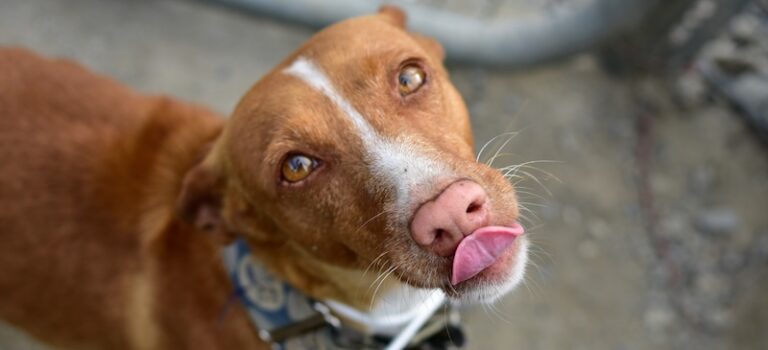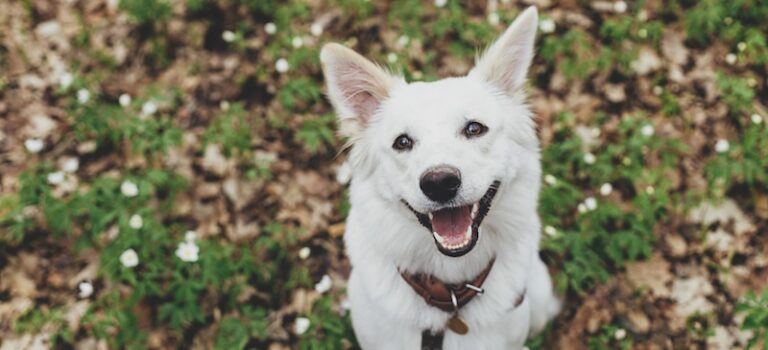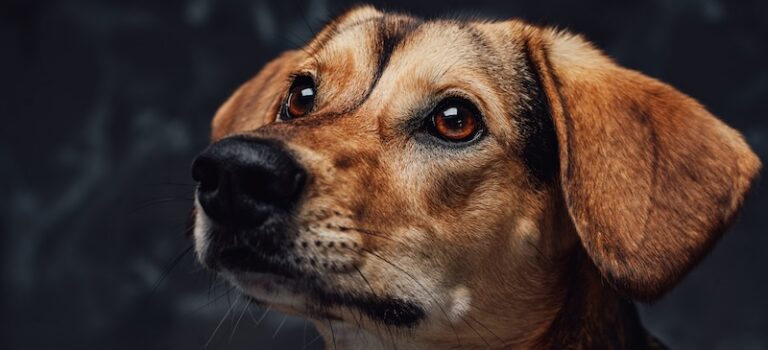
- Dogs stare to communicate. Most often they want something, like food, water, a walk or attention, but they may also be reading your mood, waiting for a cue or showing affection.
- Context and body language reveal the meaning. Soft eyes and a loose body may signal calm or affection, while a stiff body, whale eyes or a hard, unblinking stare may signal discomfort.
- Respond to what your dog needs: Meet real needs, reward calm attention and give a tense dog space.
- Persistent or compulsive staring, blank staring in senior dogs, or staring alongside house-soiling or behavior changes may be worth a vet visit.
Your dog locks eyes with you from across the room, and you wonder what is going on in that furry head. Understanding why dogs stare matters because a stare is one of the main ways your dog communicates with you.
Dogs cannot use words, so they rely on eye contact, body language and behavior to share what they need and feel.
This practical guide helps you interpret different types of stares. A dog might stare to communicate, to understand what is happening around him, to seek something he wants, to express affection or to respond to a situation.
You will learn how to recognize the context and body language behind a stare, and when it may warrant additional attention.
Why does my dog stare at me?
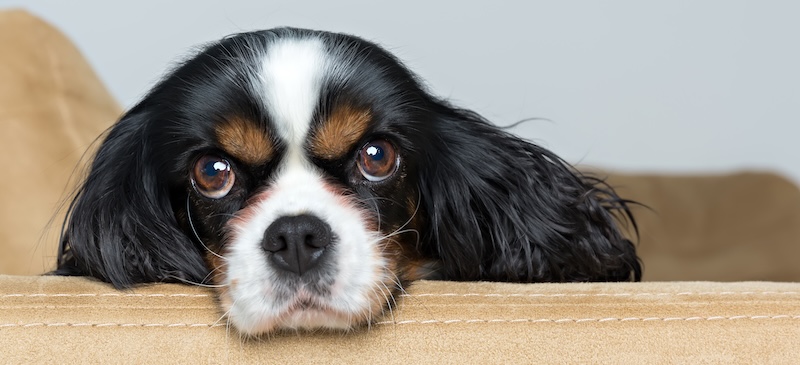
There is no single answer to why does my dog stare at me. The meaning depends on what is happening around your dog and how your dog behaves.
So what does it mean if a dog stares at you? Most of the time, it means your dog is paying attention to you for a reason. Here are the most common ones dogs stare at humans.
- They want something from you. Dogs learn quickly that eye contact gets results. Your dog might stare at the door to go outside, at the toy basket to start playtime or at your hand when it holds a treat. Seeking attention is one of the most common reasons dogs stare.
- They are hungry or thirsty. A dog who stares at you near the food bowl or around dinner time is usually asking for a meal or fresh water. Dogs also learn your routine, so they start anticipating mealtimes and stare when the clock says it is close.
- They are trying to understand what you are doing and how you are feeling. Dogs watch our faces and movements closely to figure out what comes next. Dogs and humans have spent thousands of years reading each other, and your dog studies your facial expressions for clues about your mood and plans.
- They are confused about what you want. If you give a command your dog does not understand, she may stare intently and tilt her head while she tries to work out what you mean. This kind of confusion often looks like a pause with a puzzled expression.
- They are showing affection. Soft eyes and a relaxed body often signal love and trust. Mutual gaze between dogs and humans can raise oxytocin, often called the love hormone, in both of you. That hormone strengthens bonding and explains why a long, gentle look can feel so warm.
- They are looking for direction. Trained dogs often watch their pet parents closely while they wait for the next cue or command. This stare shows focus, not demand.
- They want reassurance or feel uncomfortable. A fearful or uneasy dog may look to you for protection. In other cases, a hard stare is a warning that your dog feels uncomfortable and wants space.
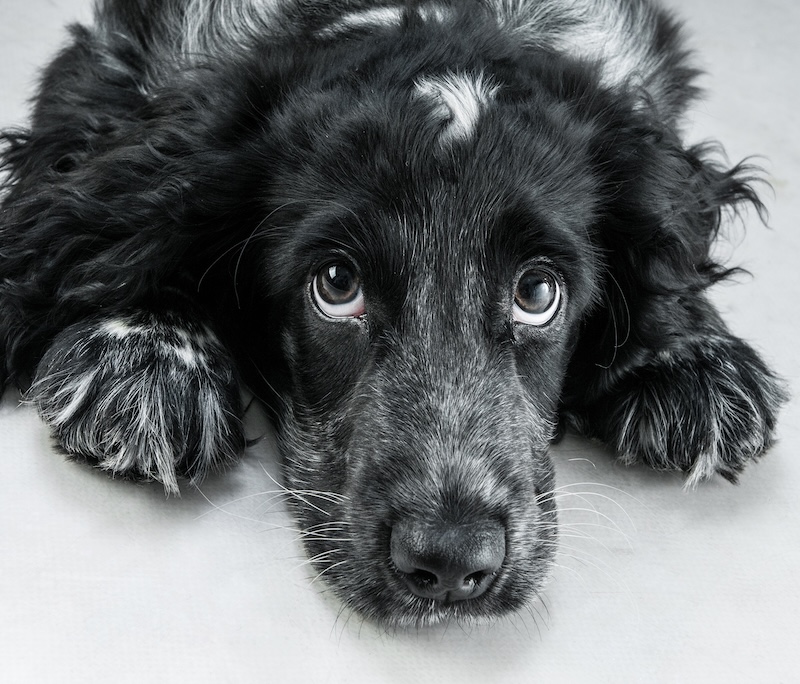
How to tell what your dog’s stare means
A stare never stands alone. To interpret it, consider the situation and your dog’s overall body language rather than treating eye contact as a single behavior.
Watch these four factors alongside the stare.
Body posture
A relaxed dog has loose muscles and a wiggly, soft body. A dog with a stiff body, rigid legs or a forward lean feels tense and may be signaling discomfort.
Whale eyes, where you see the whites of the eyes, are a warning sign that your dog feels stressed. A shih tzu with whale eyes deserves the same attention as a large breed.
Tail position
A wagging tail usually means excitement, but context matters. A loose, sweeping wag accompanied by a wiggly body points to a happy dog. A high, stiff tail that flicks in short, rapid movements suggests alertness or tension.
A tucked tail signals fear.
Ear position
Ears angled naturally or slightly back often show calm curiosity. Ears pinned flat suggest a fearful dog. Ears pushed forward signal alertness, and a head tilt usually means your dog is concentrating on your voice.
Facial expression and overall context
Look at the eyes and mouth. Soft eyes, a relaxed jaw and an occasional blink are positive signs. Hard, unblinking eyes, a tightly closed mouth, lip licking or a growl point to stress.
Then check the context.
Is it dinner time? Are you holding a treat? Did you just reach in for a hug?
Context clues often explain the stare faster than the eyes alone.
How to respond when your dog stares at you
The right response depends on what your dog’s body language and the surrounding situation tell you.
- Check what your dog may be asking for. Consider the time of day and what is happening in the room. Your dog may need to go outside, eat dinner or drink water. Meeting a genuine need keeps small requests from turning into constant begging.
- Give clear cues during training. When your dog watches you for direction, give a clear command, and reward the right response with a treat or praise. This teaches your pup that paying attention pays off.
- Redirect attention-seeking behavior. If the stare is distracting, offer a puzzle toy or a chew for mental stimulation. Reward calm behavior instead of the staring itself so your dog learns that quiet patience earns praise.
- Give a relaxed dog space to approach. If your dog shows soft eyes and a loose body, speak calmly, return a gentle blink, and let him come to you for a belly rub or a spot on the couch.
- Back away from a tense or hard stare. Avoid prolonged eye contact, stay calm, turn your body slightly and move away slowly. Do not hug, lean over or stare back. Give your dog room to relax.
When should you be concerned about your dog staring?
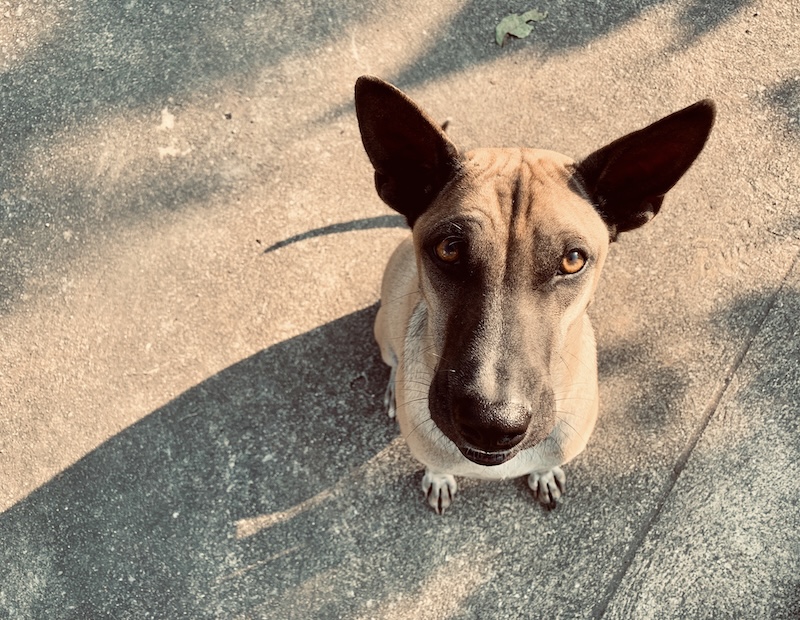
Staring is often normal communication, but some situations need more attention. If you notice any of the behaviors below, talk with your veterinarian.
- Aggressive-looking stares. A rigid, unblinking stare combined with a stiff body, raised hackles or a growl are warning signs. Resource guarding around a food bowl or toy often looks like this, and a professional trainer or behaviorist can help.
- Persistent staring. If you find yourself asking why does my dog stare at me constantly, and the behavior seems compulsive, such as staring at walls or corners for long stretches, ask your vet to rule out medical causes.
- Staring into space in older dogs. A senior dog who stares blankly, seems confused or appears lost in a familiar room may show signs of cognitive changes.
- House-soiling. Staring that comes with new accidents indoors is worth a vet visit, especially in a dog who was reliably house-trained.
- Changes in behavior, activity, feeding or sleeping patterns. A dog who eats less, sleeps more or loses interest in playtime may feel unwell, even if the stare looks ordinary.
- Signs of separation anxiety. Staring at the door, panting, pacing or following you from room to room can point to anxiety that deserves professional support.
Good nutrition supports your dog’s everyday comfort
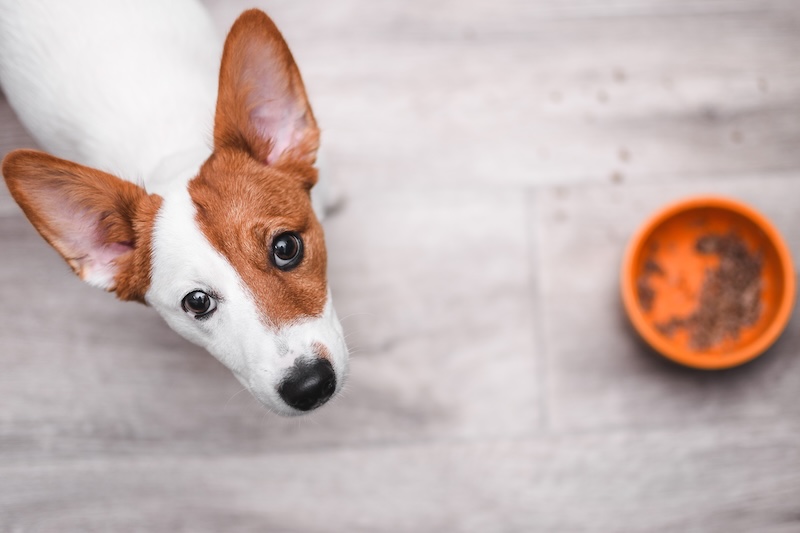
Staring is one way your dog tells you what she needs. When you read context, body language and gaze, you can respond with confidence, whether your dog wants to play, eat or simply feel close.
That attentiveness is one part of supporting your dog’s overall health and well-being.
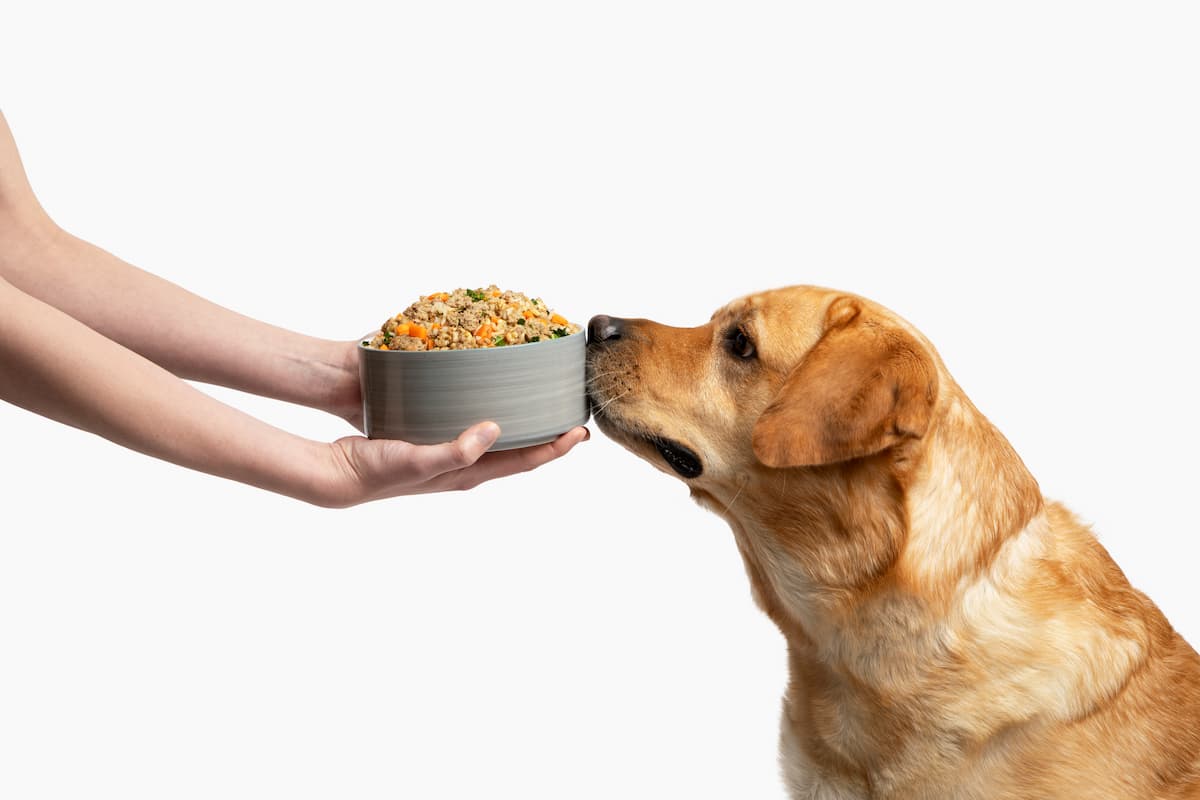
Complete and balanced nutrition is another. Your dog’s diet supports his energy, health and everyday comfort, so a well-fed dog can enjoy playtime, training and quiet moments with you alongside your attentive care.
Final thoughts
Dogs stare for many reasons, including hunger, confusion, training, affection and discomfort. The stare alone rarely tells the full story, so read your dog’s posture, tail, ears and facial expression, and consider the context.
Respond to what your dog needs, and back away from tense or hard stares. If staring comes with aggression, confusion, house-soiling or changes in daily habits, contact your veterinarian.
Paying close attention to your dog’s gaze, alongside good nutrition and care, helps you meet her needs every day.
Frequently asked questions
Why does my dog stare at me when I eat?
Dogs often stare around mealtimes because they want food. Many have also learned that eye contact gets a response from their pet parents, whether that means a shared bite or simply a reaction. Even a scolding rewards the stare with attention, so staying consistent helps.
Why does my dog stare at me while I’m training him?
Your dog focuses on you and waits for the next cue or instruction. This learned behavior is a good sign. It shows your dog is paying attention and ready to work for a reward.
Why does my dog stare at me while pooping?
Dogs feel vulnerable in this position. Your dog may look to you for reassurance or protection, trusting you to keep watch while she cannot watch her surroundings herself.
Why does my dog stare at me while lying down?
A dog who stares while lying down may want attention or is trying to monitor the room, communicate a need or simply stay connected with someone he trusts. If the stare comes with a relaxed body and soft eyes, it usually signals calm affection.
- Savalli C, Ades C, Gaunet F. Are dogs able to communicate with their owners about a desirable food in a referential and intentional way? PLoS One. 2014 Sep 18;9(9):e108003. doi: 10.1371/journal.pone.0108003. Erratum in: PLoS One. 2014;9(10):e111387. PMID: 25232956; PMCID: PMC4169500. (opens in a new tab)
- Albuquerque N, Guo K, Wilkinson A, Savalli C, Otta E, Mills D. Dogs recognize dog and human emotions. Biol Lett. 2016 Jan;12(1):20150883. doi: 10.1098/rsbl.2015.0883. PMID: 26763220; PMCID: PMC4785927. (opens in a new tab)
- Grimm, David. “How Dogs Stole Our Hearts.” Science, 2015. (opens in a new tab)
- Wallis LJ, Range F, Müller CA, Serisier S, Huber L, Virányi Z. Training for eye contact modulates gaze following in dogs. Anim Behav. 2015 Aug;106:27-35. doi: 10.1016/j.anbehav.2015.04.020. PMID: 26257403; PMCID: PMC4523690. (opens in a new tab)
- Elizabeth Ann Walsh, Lieve Lucia Meers, William Ellery Samuels, Dorien Boonen, Anita Claus, Carolina Duarte-Gan, Vicky Stevens, Laura Contalbrigo, Simona Normando, Human-dog communication: How body language and non-verbal cues are key to clarity in dog directed play, petting and hugging behaviour by humans, Applied Animal Behaviour Science, Volume 272, 2024, 106206, ISSN 0168-1591, https://doi.org/10.1016/j.applanim.2024.106206. (opens in a new tab)
- Mota-Rojas D, Whittaker AL, Lanzoni L, Bienboire-Frosini C, Domínguez-Oliva A, Chay-Canul A, Fischer V, Hernández-Avalos I, Bragaglio A, Nannoni E, Olmos-Hernández A, Fernandes Bettencourt A, Mora-Medina P, Martínez-Burnes J, Casas-Alvarado A, Grandin T. Clinical interpretation of body language and behavioral modifications to recognize pain in domestic mammals. Front Vet Sci. 2025 Oct 15;12:1679966. doi: 10.3389/fvets.2025.1679966. PMID: 41169680; PMCID: PMC12570343. (opens in a new tab)