- Most healthy dogs can comfortably go about six to 10 hours without water. After 24 hours, the risk of dehydration and organ damage rises.
- Dogs can go several days without food, but not without water. Organ failure or death can occur after 48 to 72 hours with no water.
- Puppies, senior dogs, sick dogs and dogs in hot weather dehydrate faster. A general guideline is about one ounce of water per pound of body weight each day.
- Watch for dry or sticky gums, skin that stays tented, sunken eyes, lethargy, and dark urine.
If your dog ignores her water bowl or goes a few hours without access to water during the day, you may worry about how long it’s safe to go without a drink. A few hours without water is normal and fine for most dogs, but how many days can a dog go without water?
A dog’s water needs depend on his diet, activity level and health. Here’s what you should know about safe hydration limits, the signs of dehydration in dogs, what causes dogs to stop drinking water and how to keep your pup perfectly hydrated each day.
How long can a dog live without water?
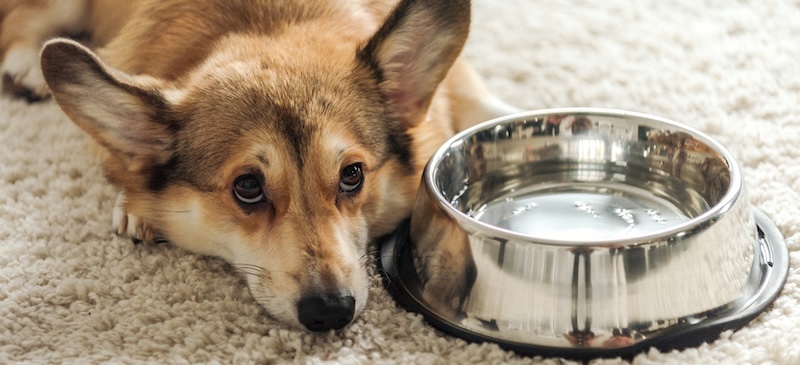
Under normal conditions, a healthy dog can go about six to 10 hours without water and still feel fine. Beyond that, the risk of dehydration increases.
After 24 hours without water, the risk of organ damage from dehydration rises. The same is not true for food — dogs can go several days without eating as long as they stay hydrated.
A lack of water makes it harder for the body to circulate blood and deliver oxygen and other nutrients to major organs. After not consuming water for two to three days or longer, dogs may develop organ failure or die from dehydration.
Puppies, senior dogs and dogs with health conditions can become dehydrated faster than their healthy counterparts.
Why is water important for dogs?
Water is essential for dogs, as their bodies are about 70 percent water by weight. Some functions of water include helping to:
- Break down food
- Absorb nutrients
- Support cellular health
- Flush toxins from the body
- Regulate temperature
Without water, your dog can’t perform these functions well. That’s why dehydration can affect so many aspects of your pup’s body and health, from energy levels to organ function.
How much water does a dog need?
As a general guideline, dogs need about one ounce of water per pound of body weight each day. A 50-pound dog, for example, should drink around 50 ounces of water per day.
However, this is just a general guideline, and some dogs need more or less water than others.
Dogs who spend a lot of time outdoors, exercise heavily or live in hot weather may need to drink even more. Very young puppies who are still nursing get most of their fluids from their mothers’ milk. Dogs eating dry kibble typically need more water than dogs eating wet or canned food.
Signs of dehydration in dogs
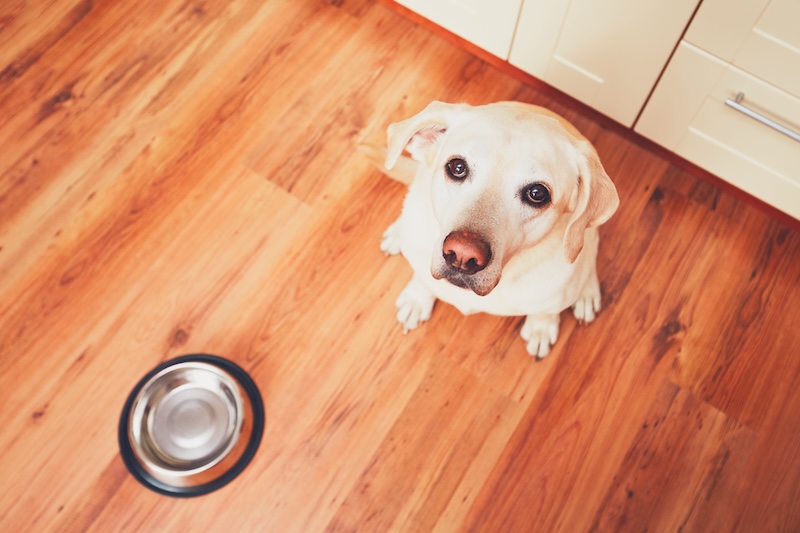
As a caring pet parent, you may have researched “how to tell if my dog is dehydrated.” Recognizing the early signs of dog dehydration can help ensure you get help in a timely fashion.
Signs of dehydration include:
- Dry or sticky gums: Healthy gums feel slick and moist. Dry, sticky gums or thick, ropey saliva are possible dehydration signs.
- Reduced skin elasticity: Well-hydrated skin is elastic. If you pinch the scruff of your dog’s neck, it should quickly snap back when you let go. Dehydrated skin stays tented and takes a few seconds to return to normal.
- Sunken eyes: Dehydrated dogs may develop sunken-looking eyes with a tired, hollow appearance.
- Lethargy and weakness: A dehydrated dog may act tired, lethargic, weak, unsteady or less interested in normal activities.
- Loss of appetite: Dogs who aren’t drinking enough water often lose interest in food, too. Fluid loss or electrolyte imbalances can cause nausea and suppress appetite.
- Dark or reduced urine output: Small amounts of dark urine mean your dog’s kidneys are conserving water due to dehydration.
Contact your vet if your dog shows multiple signs of dehydration or if it has been more than a day since your dog drank water.
What causes dogs to experience dehydration?
Dehydration develops when your dog loses more fluid than they take in. While lack of access to water or not wanting to drink because of an illness are possible causes, several medical conditions can also lead to dehydration. These include:
- Heatstroke or fever: Dogs who overheat from hot weather, exercise or illness lose fluids rapidly as they try to cool down. Heatstroke is a medical emergency.
- Vomiting or diarrhea: Vomiting and diarrhea can cause rapid fluid loss, especially if the dog can’t keep water down or refuses to drink.
- Excessive panting: Dogs cool themselves by panting, but sustained or heavy panting from heat, pain or anxiety can cause them to lose moisture faster than normal.
- Nausea: A nauseated dog may refuse to eat or drink. Nausea may happen because of an underlying illness that also increases fluid loss.
- Frequent urination: Some conditions, such as diabetes, Cushing’s or kidney disease, cause dogs to pee more than usual, so they must drink more to keep up.
- Pain or fatigue: Dogs dealing with pain, injury or extreme fatigue may not feel up to eating or drinking.
What factors speed up dehydration in dogs
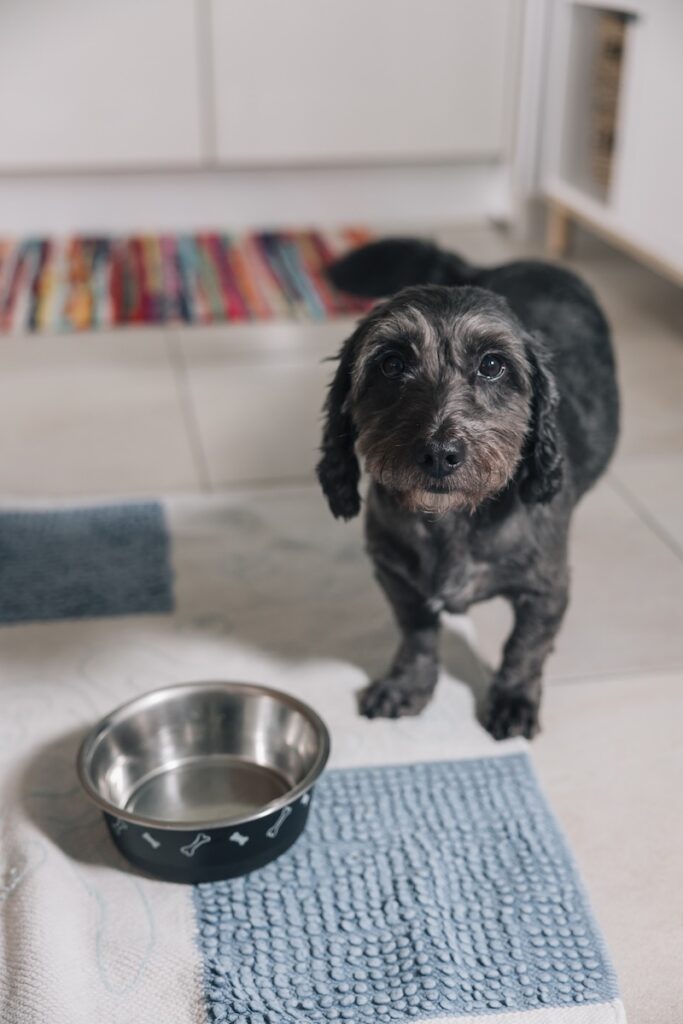
Several key factors can affect how quickly your dog becomes vulnerable to water deprivation.
- Age: Puppies have smaller bodies and less fluid reserve, while older dogs may have conditions that make it harder to conserve water or lose water as part of normal aging.
- Underlying health conditions: Dogs with chronic kidney disease, diabetes, Cushing’s disease or other ongoing illnesses can lose fluids faster than healthy dogs.
- Hot or humid weather: Dogs lose more water while trying to stay cool in high temperatures and humidity.
- Breed and activity level: Brachycephalic breeds (like bulldogs and pugs) struggle in the heat and may need to drink more to stay cool. Active breeds also need more water to replace what they burn during exercise.
- Pregnancy or nursing: A pregnant dog or one who is nursing a litter has higher fluid demands to keep herself and her puppies hydrated.
How can I help my dog stay hydrated?
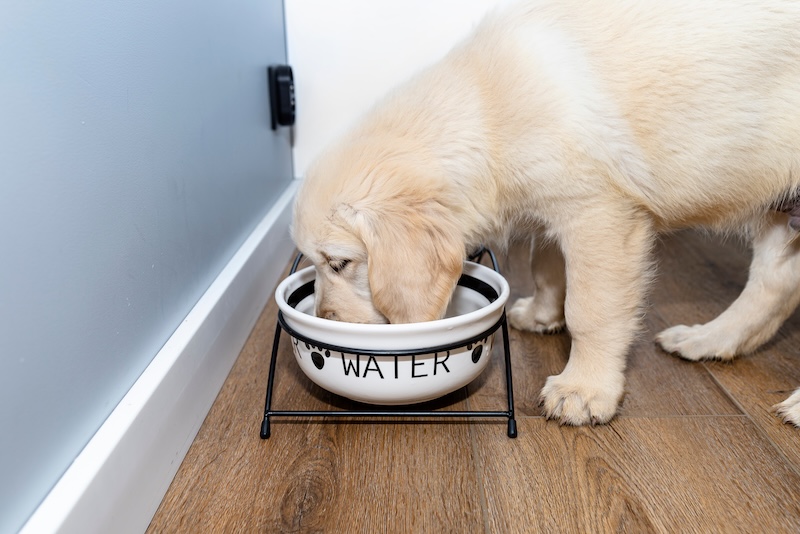
If your dog is very active, lives in a hot climate or has a health condition that makes her vulnerable to dehydration, you can encourage her to drink more with these tips:
- Keep the water bowl clean: Rinse and refill your dog’s bowl with fresh water at least once a day, and place it somewhere easy to access.
- Add wet food or bone broth for moisture: Mix canned food, dog food gravy or low-sodium broth into kibble to add moisture to the diet.
- Place water stations around the home: Senior dogs or those with joint issues need nearby water stations so they don’t have to walk too far to quench their thirst.
- Lightly flavor the water: A few drops of low-sodium broth or commercial water additives made for pets can make water more appealing.
- Check in with your vet: Nausea, pain or illness can make dogs unwilling or unable to drink. Your veterinarian can help figure out what’s going on.
Support your dog’s hydration through everyday nutrition
Water is essential for nearly every bodily process. Knowing how long dogs can go without water, recognizing the signs of dehydration and encouraging your dog to drink the right amount can help keep him happy and healthy.
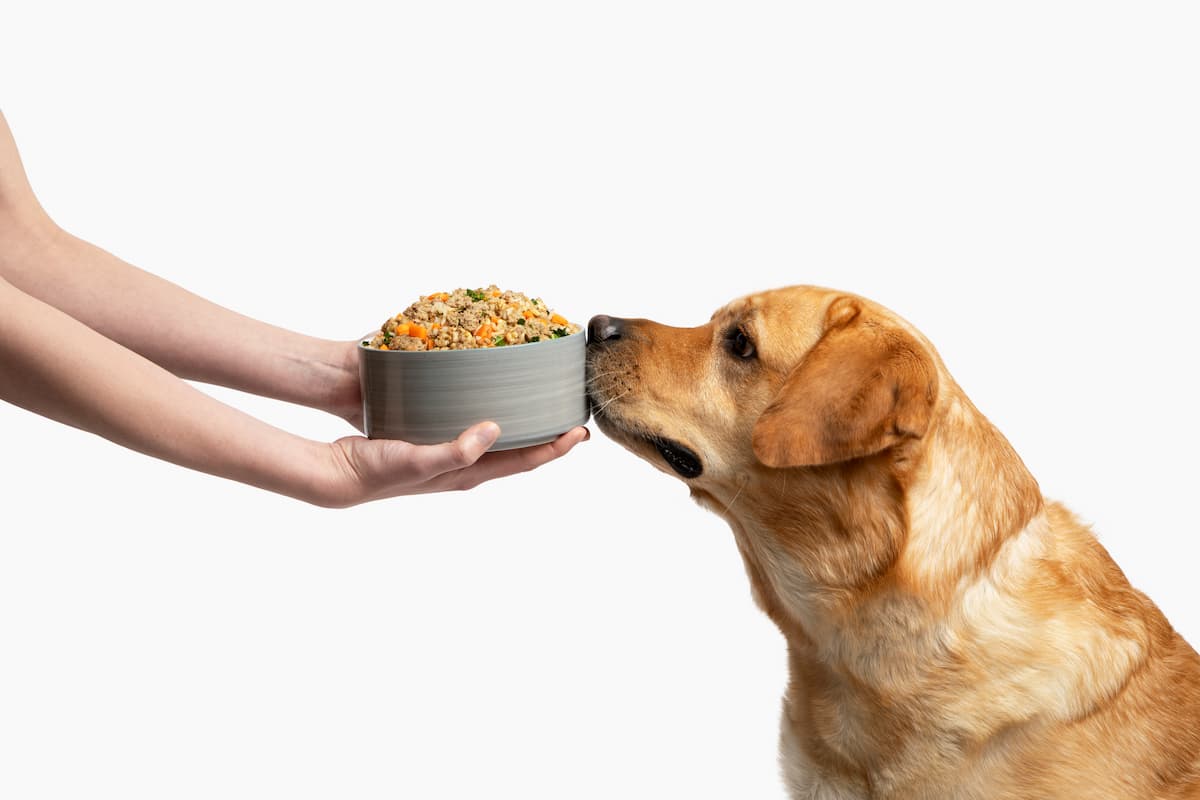
Everything that goes into your dog’s body, from hydration to diet, affects her well-being. Feeding a balanced, high-quality dog food alongside fresh, clean water is the best way to support whole-body health.
Frequently asked questions
How long can a sick dog go without drinking water?
A sick dog with vomiting, diarrhea or a fever can become dehydrated within a few hours if he is actively losing fluids and can’t or won’t drink water. If your dog is sick and refusing to drink or can't keep water down, seek veterinary care the same day. Small breeds, puppies and older dogs are particularly vulnerable, but any sick dog may need supplemental fluids to help it recover.
When should I worry about my dog not drinking water?
Most dogs can go up to 10 hours without drinking. Worry if your dog loses access to water or refuses to drink for 24 hours or more. If your dog is very small, young, old or chronically ill, she may become dehydrated faster than healthy dogs. Call your vet with specific concerns about water intake.
How long does it take a dog to recover from dehydration?
Mild dehydration can resolve within a few hours if your dog starts drinking again after a minor fluid loss. If your dog is very thirsty, offer small amounts of water frequently to prevent him from accidentally inhaling water into his lungs or regurgitating the water. For moderate to severe dehydration, dogs may need intravenous (IV) or subcutaneous fluids and a day or two in the vet hospital to recover.
How long can a dog go without food or water?
Dogs can go several days with little or no food, but they can’t survive long without water. Most dogs can comfortably go without drinking for six to 10 hours. Dehydration and organ damage can begin to develop after 24 hours without water, and organ failure or death can occur after 48 to 72 hours.
- Taylor AJ, Kuhl EA. EMS Canine Evaluation and Treatment of Dehydration. 2024 Jan 23. In: StatPearls [Internet]. Treasure Island (FL): StatPearls Publishing; 2024 Jan–. PMID: 37983331. (opens in a new tab)
- Guelfi G, Capaccia C, Ratto VF, Bufalari A, Leonardi L, Mechelli L, Cenci S, Maranesi M. The Emerging Role of Water Loss in Dog Aging. Cells. 2025 Apr 4;14(7):545. doi: 10.3390/cells14070545. PMID: 40214498; PMCID: PMC11988356. (opens in a new tab)